
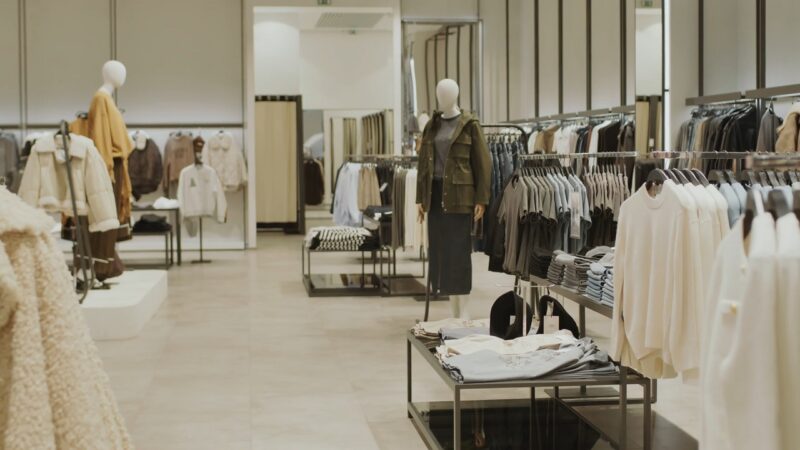
Online shopping continues to grow, placing added pressure on physical retail locations to compete on more than price or product range.
In-store shopping succeeds when customers feel welcomed, supported, and motivated to stay longer.
Shoppers increasingly expect personal attention, comfort, and moments worth remembering.
Budget limits do not prevent strong experiences.
Clear intent, consistency, and human connection create an impact that rivals far larger brands.
1. Improving Customer Service Without Extra Cost
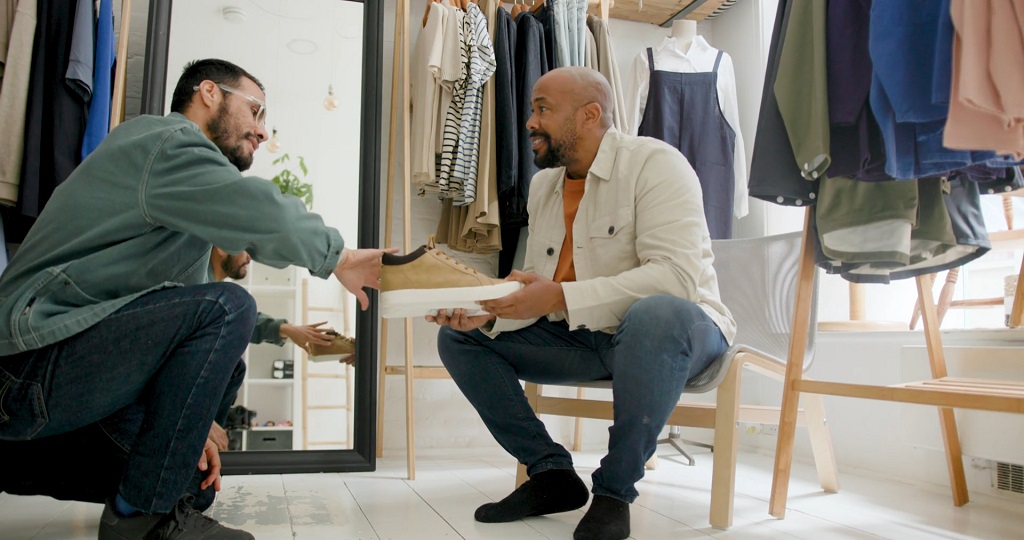
Customer service shapes perception faster than décor or technology.
Staff behaviour sets the tone within seconds of entry, often determining how long a shopper stays.
Friendly greetings, eye contact, and genuine curiosity about needs help customers feel acknowledged rather than sold to.
Familiarity grows when employees remember repeat visitors or take mental notes on preferences, creating a sense of recognition that digital channels struggle to match.
Empowerment plays a major role in service quality.
Team members who feel trusted respond faster and act with confidence.
Small actions signal care and competence, especially when offered naturally during conversation.
Common examples include:
- sharing a quick product tip or styling suggestion
- offering a sample tied to expressed interest
- making a small adjustment without escalating to a manager
Short, consistent training sessions keep service standards aligned.
One focused hour per week allows teams to practice greetings, role-play scenarios, and review product details.
Confidence gained during training leads to organic upselling that feels helpful rather than pushy.
2. Make the Store Feel Inviting and Memorable
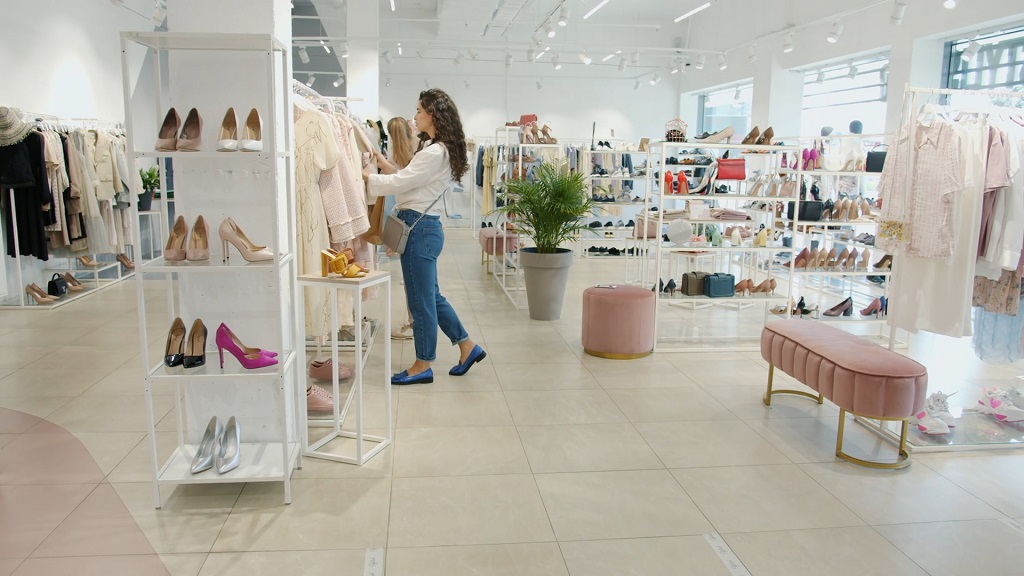
Atmosphere influences how long shoppers stay and how much they buy.
Lighting, music volume, scent, cleanliness, and temperature work together to shape comfort.
Warm lighting and uncluttered spaces help customers relax, while reliable climate control keeps conditions consistent during busy shopping hours.
For retailers operating in warmer months, investing in evap cooling services in Chelsea helps maintain a comfortable environment that encourages longer browsing and repeat visits.
Music that matches brand personality adds energy without overpowering conversation.
Visual merchandising transforms limited square footage into a story. Thoughtful product groupings guide attention and highlight value.
Seasonal refreshes prevent the space from feeling static and give returning shoppers something new to notice.
Certain design choices tend to encourage engagement and sharing:
- one visually distinct focal area near the entrance
- props or signage that invite photos
- colour palettes that photograph well under store lighting
Even small stores benefit when one area sparks curiosity and conversation.
3. Leverage Simple Technology to Enhance Engagement
Affordable technology enhances interaction without heavy investment.
QR codes give shoppers instant access to information while preserving autonomy.
Customers scan at their own pace and engage without waiting for staff availability.
Effective uses often include:
- detailed product information or care tips
- limited-time promotions
- links to social channels or reviews
Mobile point-of-sale systems further reduce friction.
Staff can complete transactions anywhere on the floor, preventing lines during busy periods.
Shorter waits improve satisfaction and allow employees to remain focused on service.
Digital receipts support eco-conscious behaviour and quietly build contact lists for follow-up communication.
Tablets paired with entry-level POS software deliver noticeable gains with minimal setup.
4. Personalisation Without Tech Investment
Personal service does not require advanced systems.
Observation and simple record-keeping often outperform automation in small retail settings.
Noting preferences in a shared notebook helps teams recognise returning customers and tailor recommendations naturally.
Shoppers respond positively when suggestions feel intentional rather than scripted.
Small gestures reinforce loyalty and encourage repeat visits.
Handwritten notes included with purchases or modest discounts for regulars communicate appreciation.
Customers consistently place higher value on being remembered than receiving generic promotions.
Consistent personal touches build emotional connection and help smaller retailers compete effectively against larger chains.
5. Boost Community Connection and In-Store Footfall
Community engagement increases visits and strengthens brand identity.
In-store events give customers reasons to return that online shopping cannot replicate.
Short, focused sessions work best and feel accessible even for busy schedules.
Popular formats often include:
- brief workshops or demonstrations
- themed product sessions
- casual meetups tied to local interests
Collaborations extend reach without added marketing expense.
Local artists, creators, or instructors bring their audiences and add credibility.
Using existing inventory keeps costs low while maintaining relevance. Stores positioned as community spaces become destinations rather than stop-in shops.
6. Integrate Social Media and In-Store Experience
Physical spaces gain visibility when designed with sharing in mind.
Visually striking displays paired with flattering lighting encourage customers to capture and post moments organically.
Tagged photos and location mentions act as social proof and introduce stores to new audiences.
Offline interactions connect easily to online platforms through simple prompts. Participation increases when incentives feel immediate and attainable.
Effective motivators often include:
- small percentage discounts tied to tagged posts
- entry into a monthly giveaway
- featured reposts on brand accounts
Staff reminders and subtle signage help normalise sharing as part of the visit without pressure.
7. Simplify and Speed Up the Checkout Experience
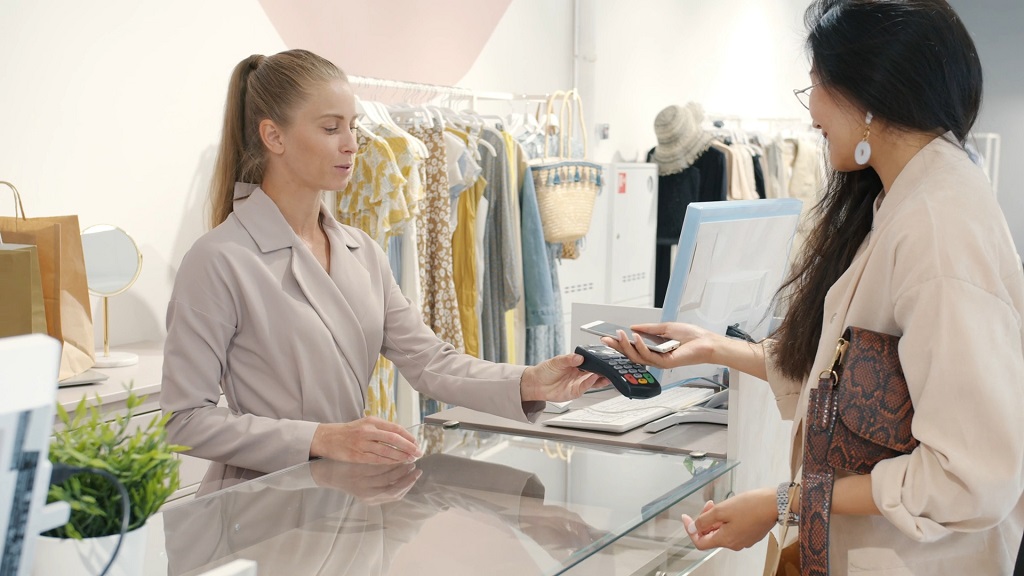
Checkout efficiency strongly influences final impressions.
Contactless payments and tap-to-pay options reduce friction and speed transactions.
Mobile checkout tools keep lines short during peak hours and prevent congestion near registers.
Digital receipts add convenience while capturing useful customer data and reducing paper waste.
Buy online, pick up in store options bring digital shoppers into physical locations and often lead to additional purchases.
Flexible payment methods also matter, supported by data showing rapid growth in buy now, pay later usage, including:
- Consumer spending through such services has increased by more than six times in a two-year period
Meeting modern payment expectations removes hesitation and improves conversion.
8. Surprise and Delight With Small Touches
Unexpected details leave lasting impressions.
Occasional perks turn routine purchases into memorable moments.
Customers frequently talk about experiences tied to thoughtful extras rather than discounts.
Effective low-cost gestures often include:
- surprise samples
- handwritten thank-you cards
- small gifts tied to purchase type
Packaging influences perceived value as well. Well-presented items feel more special and encourage sharing, especially given a strong interest in unboxing content.
Free gift wrapping during holidays or repurposing slow-moving inventory as samples helps manage stock while adding value.
Small surprises signal care and drive word-of-mouth promotion.
Summary
Strong in-store experiences do not require large budgets. Success depends on intentional choices, consistent execution, and genuine human interaction.
Small retailers compete effectively by focusing on service, atmosphere, and community.
Step-by-step improvements build momentum and turn everyday visits into reasons to return.

Dave Mustaine is a business writer and startup analyst at Sharkalytics.com. His articles break down what happens after the cameras stop rolling, highlighting both big wins and behind-the-scenes challenges.
With a background in entrepreneurship and data analytics, Dave brings a sharp, practical lens to startup success and failure. When he’s not writing, he mentors founders and speaks at entrepreneur events.