
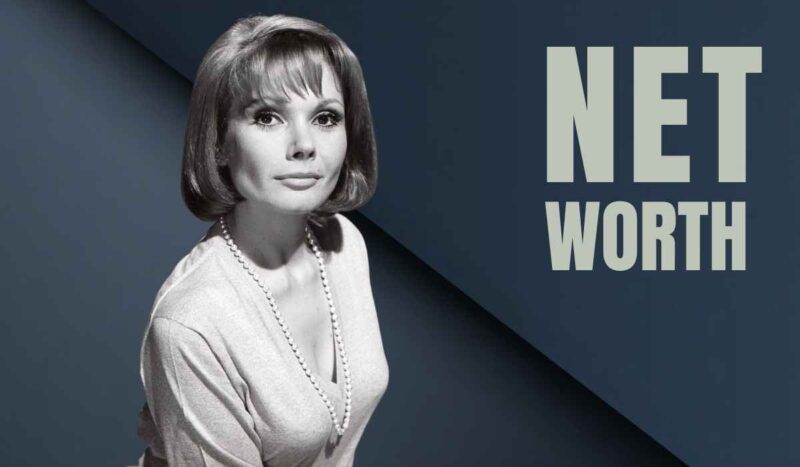
Felicia Farr is a 92-year-old American former actress and fashion model remembered for refined performances during Hollywood’s Golden Age.
Career recognition grew through classic Western productions that valued emotional restraint and visual elegance.
Roles in 3:10 to Yuma and The Last Wagon placed her among respected screen performers of the 1950s. Public attention increased after marriage to actor Jack Lemmon, a figure widely admired for professionalism and range.
In 2025, admiration continues due to disciplined work habits, careful role selection, and a career shaped by consistency rather than publicity.
Financial Profile and Net Worth in 2025
Felicia Farr’s estimated net worth in 2025 remains at approximately $5 million, shaped by disciplined career choices and conservative financial behavior rather than sudden commercial success.
Income accumulated gradually and remained diversified, reducing long-term risk.
- acting salaries earned across film and television projects during active career years
- modeling contracts secured early in professional life, providing an initial financial base
- residual payments and royalty income connected to the continued circulation of classic films
- shared real estate assets and inherited property associated with Jack Lemmon
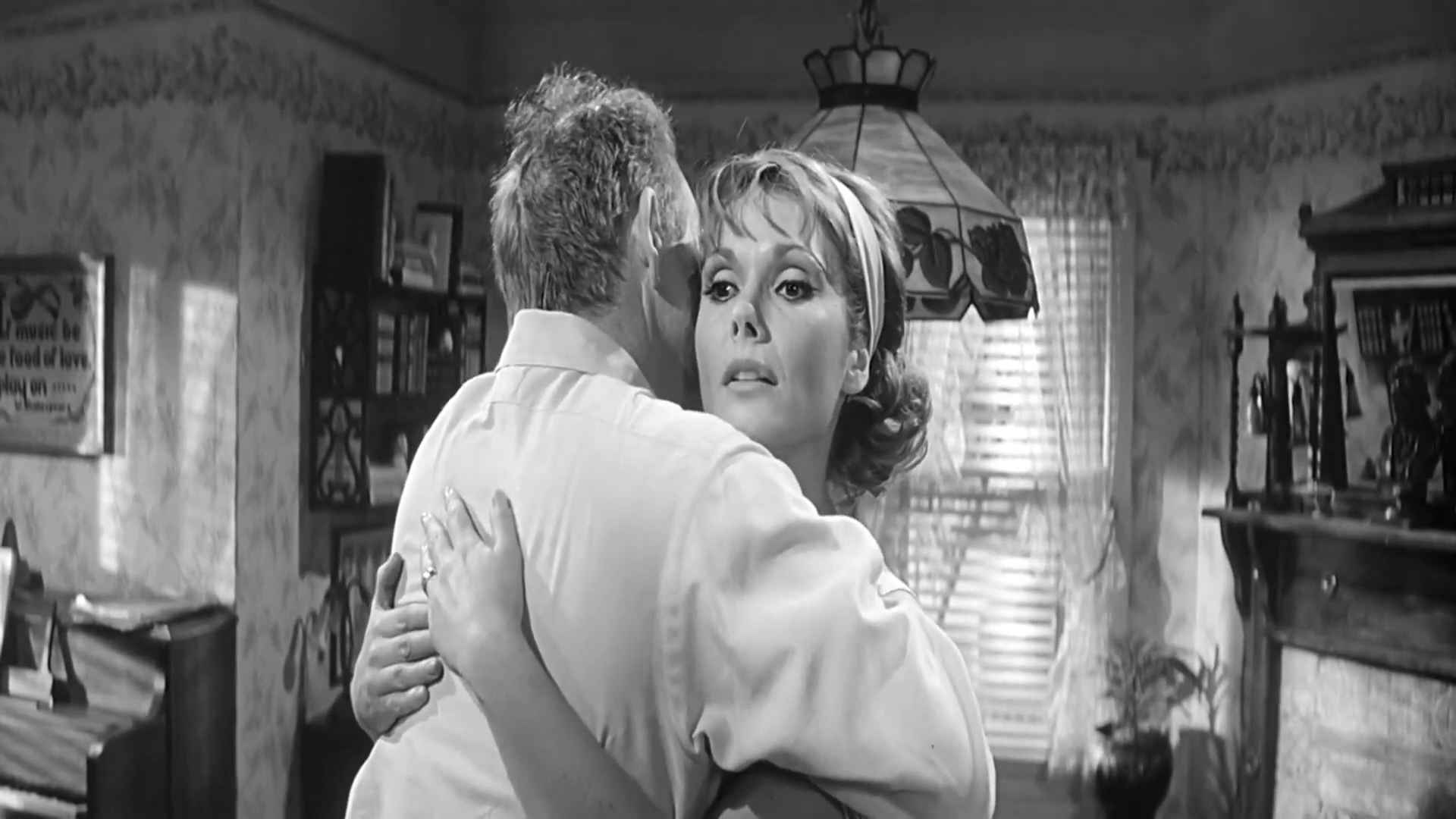
Public records reveal no financial disputes, legal conflicts, or excessive spending patterns. Retirement years reflect long-term planning, limited public exposure, and a consistent preference for privacy and personal control.
Early Life and Family Background
Felicia Farr was born in Westchester County, New York, and raised in a household shaped by structure, encouragement, and high personal expectations. Family life emphasized independence, responsibility, and artistic curiosity rather than social status or public attention.
Parents Sylvia Schwartz and Max Dines supported creative interests while reinforcing discipline and self-respect.
Early exposure to classic cinema inspired admiration for screen performers and gradually shaped interest in acting and modeling.
Household values centered on poise, manners, and self-reliance, qualities that later became visible in her public image and professional conduct.
Read more: Meet Sharon Ramsey, wife and partner of Dave Ramsey. Dive into their personal life and beginnings!
Modeling Beginnings and Career Transition
Professional life began in fashion modeling, where Felicia Farr gained notice for elegance, posture, and ease in front of the camera.
Early assignments emphasized refined presentation rather than theatrical display, allowing her natural composure to shape a recognizable visual identity. Print work and commercial appearances provided steady exposure while avoiding aggressive publicity strategies.
Career decisions during that period reflected independence and confidence. Consistent use of her given name, Felicia Farr, set her apart at a time when studio branding often dictated identity.
Modeling work built technical skills that proved valuable later, including awareness of lighting, framing, and stillness.
Growing visibility attracted interest from casting professionals during the early 1950s. Film auditions followed as a logical next step. Transition into motion pictures occurred smoothly, supported by camera experience, professional discipline, and visual control developed during modeling years.
Rise to Fame in Hollywood
Acting success expanded during the 1950s and 1960s, particularly in Westerns and dramatic productions that favored restraint and emotional control. Audience recognition developed steadily rather than overnight, allowing credibility to form without dependence on publicity trends.
Career momentum increased as carefully selected roles reinforced reliability and screen presence.
Several projects marked turning points in public visibility and professional reputation, establishing her as a consistent supporting performer.
- 3:10 to Yuma released in 1957, widely regarded as her most recognizable role
- The Last Wagon released in 1956, reinforcing screen presence within Western cinema
- Jubal released in 1956, demonstrating emotional discipline and dramatic depth
Television appearances extended visibility through roles on Bonanza and The Alfred Hitchcock Hour. Casting professionals repeatedly valued reliability, composure, and subtle emotional delivery, qualities that ensured steady work across mediums.
Career Highlights and Filmography
Continued acting during the 1960s and 1970s maintained relevance within respected productions rather than mainstream stardom.
Film choices favored character-focused stories that allowed nuance without exaggerated performance styles. Roles spanned drama, thriller, and comedy, reflecting versatility guided by restraint.
Later years included collaborations that drew attention due to strong ensemble casting and mature subject matter.
- Kotch released in 1971, featuring Jack Lemmon
- Charley Varrick released in 1973, appearing alongside Walter Matthau
Critical response frequently emphasized intelligence, control, and visual elegance. Major industry awards never followed, though peer respect and audience admiration remained consistent across decades.
Marriage and Personal Life
Personal life developed alongside professional commitments, with long-term relationships shaping both public perception and private priorities.
Public visibility often reflected marital associations as much as screen work, especially during later career years.
Marriage to Lee Farr (1949–1955)
First marriage began in 1949 with actor Lee Farr. The relationship lasted six years and produced one daughter, Denise Farr.
Separation in 1955 allowed renewed focus on professional growth and personal independence, coinciding with increased film opportunities.
Marriage to Jack Lemmon (1962–2001)
Second marriage began in 1962 with actor Jack Lemmon and continued until his death in 2001. Union produced one daughter, Courtney Lemmon.
Partnership gained broad respect due to longevity, mutual support, and absence of public controversy.
Professional collaborations occurred during marriage, including shared film projects that reflected mutual respect rather than publicity strategy.
Life after 2001 became increasingly private, marked by limited public appearances and stronger focus on family and personal boundaries.
Summary
Felicia Farr’s career reflects elegance, emotional discipline, and consistent professionalism across decades of work.
Life included early success in modeling, respected film roles, and a long marriage to one of Hollywood’s most admired actors.
Public recognition in 2025 remains connected to classic cinema performances and a reputation built on integrity, restraint, and quiet confidence.

Viola Moorhouse is the coauthor and research lead at Sharkalytics.com, specializing in startup performance tracking and investor strategy.
With a background in market research and business journalism, Viola focuses on separating the hype from the reality in the world of televised entrepreneurship. She’s passionate about making complex startup stories accessible to a wide audience.