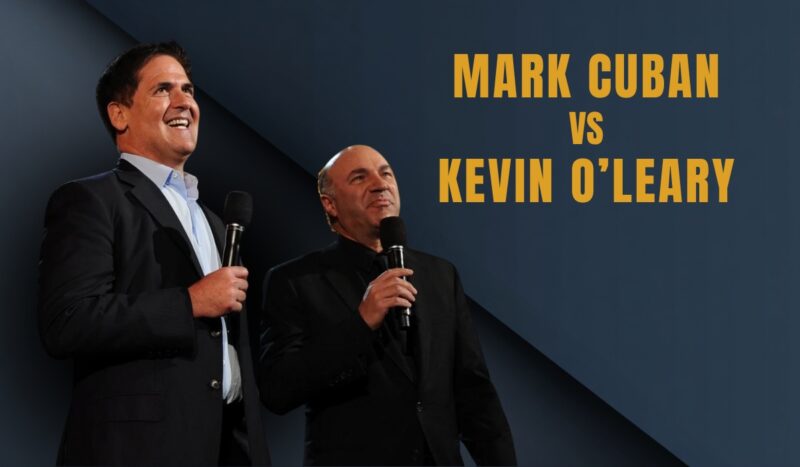
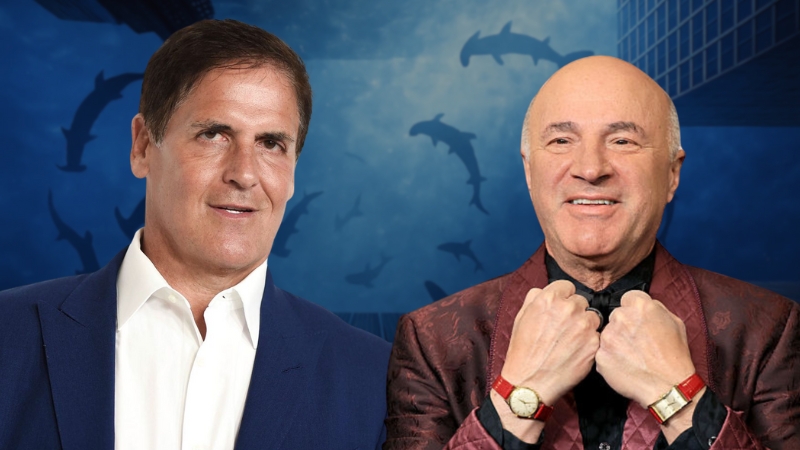
Mark Cuban generally proves to be a stronger operational partner for entrepreneurs who need strategic scaling, technology insight, and active mentorship.
Kevin O’Leary tends to be the more disciplined financial partner, prioritizing profit structure, cash flow clarity, and risk control. The better partner depends on whether a business needs aggressive growth guidance or strict financial optimization.
Core Differences in Investment Philosophy
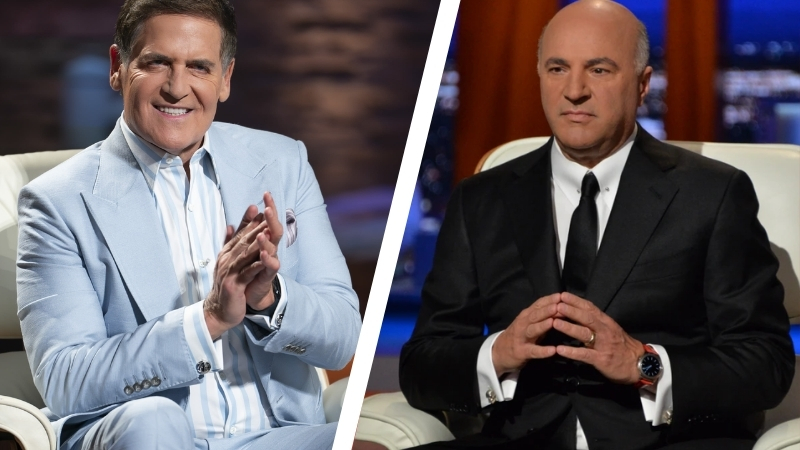
Mark Cuban built his fortune primarily through technology entrepreneurship, most notably the sale of Broadcast.com to Yahoo for billions during the dot-com boom. His investment style reflects that background.
He favors innovation, digital platforms, consumer technology, sports-adjacent ventures, and businesses capable of rapid scaling. Cuban often stresses founder passion, adaptability, and long-term disruption potential rather than immediate profitability.
Kevin O’Leary, widely branded as “Mr. Wonderful,” built his wealth through software distribution (SoftKey), licensing deals, and financial investments. His philosophy centers on predictable revenue, defensible margins, and disciplined cost structures.
He consistently emphasizes royalties, equity structures that generate immediate cash flow, and risk mitigation. While Cuban often invests for a growth trajectory, O’Leary invests for return certainty.
Investment Philosophy Comparison
Factor
Mark Cuban
Kevin O’Leary
Primary focus
Growth and innovation
Profitability and cash flow
Typical sectors
Tech, sports, consumer platforms, media
Consumer goods, licensing, and financial plays
Risk tolerance
Higher risk tolerance
Conservative risk approach
Founder expectations
Vision and scalability
Financial discipline
Deal structures
Equity heavy
Royalties, debt, plus equity common
Business Background and Credibility
Cuban’s entrepreneurial journey resonates strongly with founders because he started from modest means, built companies directly, and remains active in operations through ventures like the Dallas Mavericks and various tech investments. Entrepreneurs often valuetheirs real-world operating experience.
O’Leary’s credibility lies more in finance and deal structuring. His success with licensing and brand monetization shaped his reputation as someone who understands margins, valuation mechanics, and investor returns. While he may be less operationally involved, his financial rigor appeals to founders seeking discipline.
Background Snapshot
Category
Mark Cuban
Kevin O’Leary
Net worth estimate
Multi-billionaire tech entrepreneur
Multi-millionaire investor and financial personality
Key early success
Broadcast.com sale
SoftKey software acquisitions
Public persona
Hands-on entrepreneur
Financial strategist
Media presence
NBA ownership, tech commentary
Financial TV personality, investor shows
Hands-On Involvement With Businesses
Mark Cuban is known for being actively involved post-investment. Founders frequently report access to their network, marketing channels, and operational guidance. He often leverages sports, media, and technology connections to accelerate brand exposure.
Kevin O’Leary usually maintains a more structured advisory role. He prefers clear reporting systems, predictable revenue frameworks, and defined performance benchmarks. His involvement tends to focus on financial accountability rather than day-to-day operational mentoring.
Operational Engagement Comparison
Dimension
Mark Cuban
Kevin O’Leary
Post-deal involvement
High involvement
Moderate involvement
Mentorship style
Strategic, growth-focused
Financial, accountability-focused
Network leverage
Strong media and tech network
Strong financial and licensing network
Founder accessibility
Often reported as accessible
Structured communication preferred
Risk Appetite and Deal Structure
Cuban’s investments often reflect optimism about emerging markets, especially digital platforms, health tech, blockchain infrastructure, and direct-to-consumer brands. He sometimes accepts uncertain short-term profitability in exchange for strong market positioning.
O’Leary’s deals frequently include royalties or structured returns that reduce downside exposure. He prioritizes businesses with stable demand, established margins, and measurable ROI timelines. His approach reduces volatility but may limit aggressive expansion.
Deal Structure Patterns
Element
Mark Cuban
Kevin O’Leary
Equity vs royalties
Mostly equity
Often royalty plus equity
Growth horizon
Long term
Short to mid-term returns
Exit strategy
Market leadership or acquisition
Cash flow extraction plus exit
Risk mitigation
Market positioning
Financial structuring
Communication Style With Entrepreneurs
Cuban’s communication tends to be direct but collaborative. He often emphasizes problem-solving, adaptation, and a founder mindset. Many entrepreneurs perceive him as motivational without being unrealistic.
O’Leary is intentionally blunt, often stressing financial realities over emotional attachment to businesses. This can be highly valuable for founders lacking financial discipline, though some perceive it as harsh.
Communication Characteristics
Trait
Mark Cuban
Kevin O’Leary
Tone
Constructive and strategic
Direct and financially focused
Feedback focus
Product and growth
Profitability and valuation
Founder relationship
Collaborative
Transactional but clear
Track Record From Shark Tank Investments
Publicly available estimates suggest Cuban has invested tens of millions across technology, sports, consumer products, and digital ventures. Several investments achieved strong brand recognition and growth, though, like most venture investing, not all succeeded.
View this post on Instagram
O’Leary has a reputation for generating steady returns through licensing deals and structured financial arrangements. His portfolio tends to include stable consumer products and companies capable of consistent royalty payments.
Shark Tank Investment Profile
Metric
Mark Cuban
Kevin O’Leary
Investment style
Growth venture capital
Structured finance investing
Typical sectors
Tech, consumer innovation
Consumer goods, licensing
Success indicators
Brand growth, scaling potential
Revenue consistency
Failure tolerance
Higher tolerance
Lower tolerance
Strengths Entrepreneurs Commonly Attribute
Mark Cuban Strengths
- Technology and digital market insight
- Strong branding and marketing amplification
- Access to media and sports ecosystems
- Founder mentorship and growth strategy
Kevin O’Leary Strengths
- Financial discipline and valuation clarity
- Licensing expertise and monetization models
- Risk control strategies
- Structured deal negotiation
Situations Where Each Shark Fits Better
Business Situation
Better Partner
Early-stage tech startup
Mark Cuban
Consumer product needing licensing deals
Kevin O’Leary
Rapid scaling digital platform
Mark Cuban
Stable product needing margin optimization
Kevin O’Leary
Founder lacking operational guidance
Mark Cuban
Founder lacking financial discipline
Kevin O’Leary
Long-Term Strategic Impact
Mark Cuban’s involvement often accelerates visibility, partnerships, and product positioning. His value lies in helping companies expand market presence and navigate competitive landscapes.
Businesses seeking disruption or rapid scaling typically benefit more from his approach.
Kevin O’Leary contributes financial structure, sustainability, and investor readiness. Companies aiming for steady profitability, clean balance sheets, and predictable investor returns often gain more from his partnership style.
Final Assessment
@theclpfarm Sharks argue over who’s the better partner! #sharktank #funny #fyp #foryou #business #businessproposal #businessowner #entrepreneur #markcuban #kevinoleary #viral #rich ♬ Love You So – The King Khan & BBQ Show
Mark Cuban generally represents the stronger partner for innovation-driven businesses needing strategic growth, media exposure, and operational mentorship.
Kevin O’Leary offers superior value for businesses prioritizing profitability, discipline, licensing revenue, and structured financial returns.
The optimal choice depends entirely on whether a company’s primary challenge is scaling opportunity or financial stability.

Dave Mustaine is a business writer and startup analyst at Sharkalytics.com. His articles break down what happens after the cameras stop rolling, highlighting both big wins and behind-the-scenes challenges.
With a background in entrepreneurship and data analytics, Dave brings a sharp, practical lens to startup success and failure. When he’s not writing, he mentors founders and speaks at entrepreneur events.