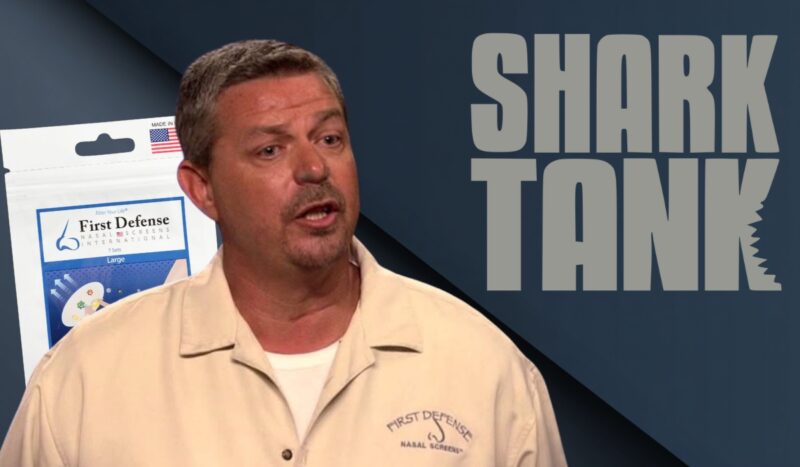
fFirst Defense Nasal Screens, also called FDNS, are hypoallergenic, self-adhesive nasal filters designed to sit externally without insertion. Product design focuses on protecting users against airborne allergens, pollutants, and viruses while allowing natural breathing.
Invention credit goes to Joe Moore, a cancer survivor who presented the product on Shark Tank Season 2, Episode 2. FDNS targets individuals dealing with asthma, allergies, respiratory sensitivity, and exposure to polluted environments.
Independent testing and internal data showed the product capable of filtering up to 99% of inhaled contaminants that pass through the nasal passage.
Brand messaging gained recognition through the slogan “Don’t Get Sick, Just Peel and Stick®”.
Shark Tank Pitch
Joe Moore entered Shark Tank wearing First Defense Nasal Screens and immediately addressed skepticism by applying a fresh set on camera.
Demonstration focused on speed of application, secure adhesion, and natural appearance during normal speech and breathing. Visual presentation removed doubts about comfort and practicality within seconds.
The investment request totaled $500,000 in exchange for 10% equity. Pitch strategy positioned FDNS as a medical-grade respiratory protection solution rather than a novelty wellness accessory.
Discussion emphasized clinical intent, repeat usage, and everyday practicality.
Product positioning addressed multiple use cases tied to real-world exposure risks.
- Allergy sufferers seeking daily protection
- Asthma patients are sensitive to airborne triggers
- Frequent travelers exposed to crowded environments
- Healthcare workers facing close-contact conditions
- Individuals working in polluted or industrial settings
Confidence during delivery shifted early reactions and opened the door to deeper financial discussion.
Impressive Business Metrics
Sales traction became a turning point during the presentation. Market validation already existed at scale, eliminating early-stage uncertainty.
- 1.7 million units sold prior to appearing on the show
- Wholesale pricing fixed at $0.60 per unit
Revenue credibility expanded further through an international agreement. An $8 million supply contract with a UAE client is locked in predictable demand across a six-year term.
Capital needs to be focused on production capacity rather than product development. Manufacturing expansion aimed to meet rising global demand without sacrificing quality or supply reliability.
View this post on Instagram
Bidding War
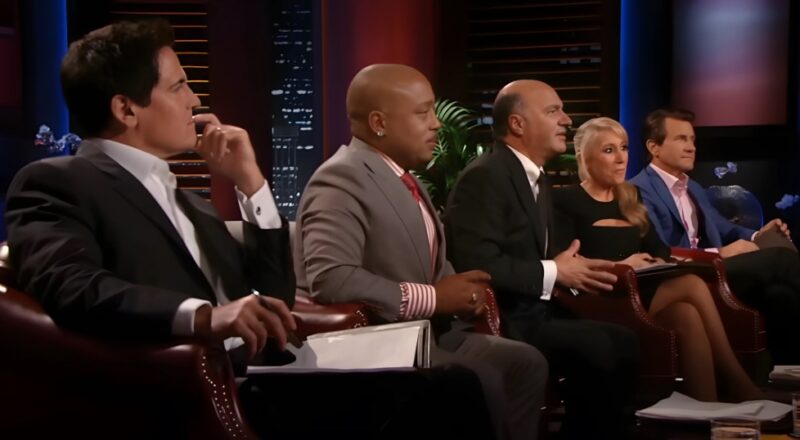
Investor reactions escalated quickly once numbers surfaced. Barbara Corcoran declined involvement due to concerns tied to consumer education costs and long-term marketing investment.
Kevin O’Leary entered negotiations with a structured deal emphasizing downside protection.
- $500,000 investment
- 20% equity
- 15% royalty until capital recovery
Daymond John responded with higher capital and a cleaner royalty structure. Proposal terms included $750,000 for 30% equity paired with a 10% royalty.
Momentum continued as Kevin O’Leary and Mark Cuban aligned on a joint proposal similar in structure.
Robert Herjavec changed the tone entirely by presenting a buyout strategy. The initial offer started at $2 million and later increased to $4 million for full ownership plus a 10% royalty. Scale and certainty made it one of the largest offers in show history at that time.
Joe Moore countered at $5 million for a 100% ownership transfer. Negotiations ended when Robert declined the counteroffer.
Final on-air acceptance came through a three-shark partnership.
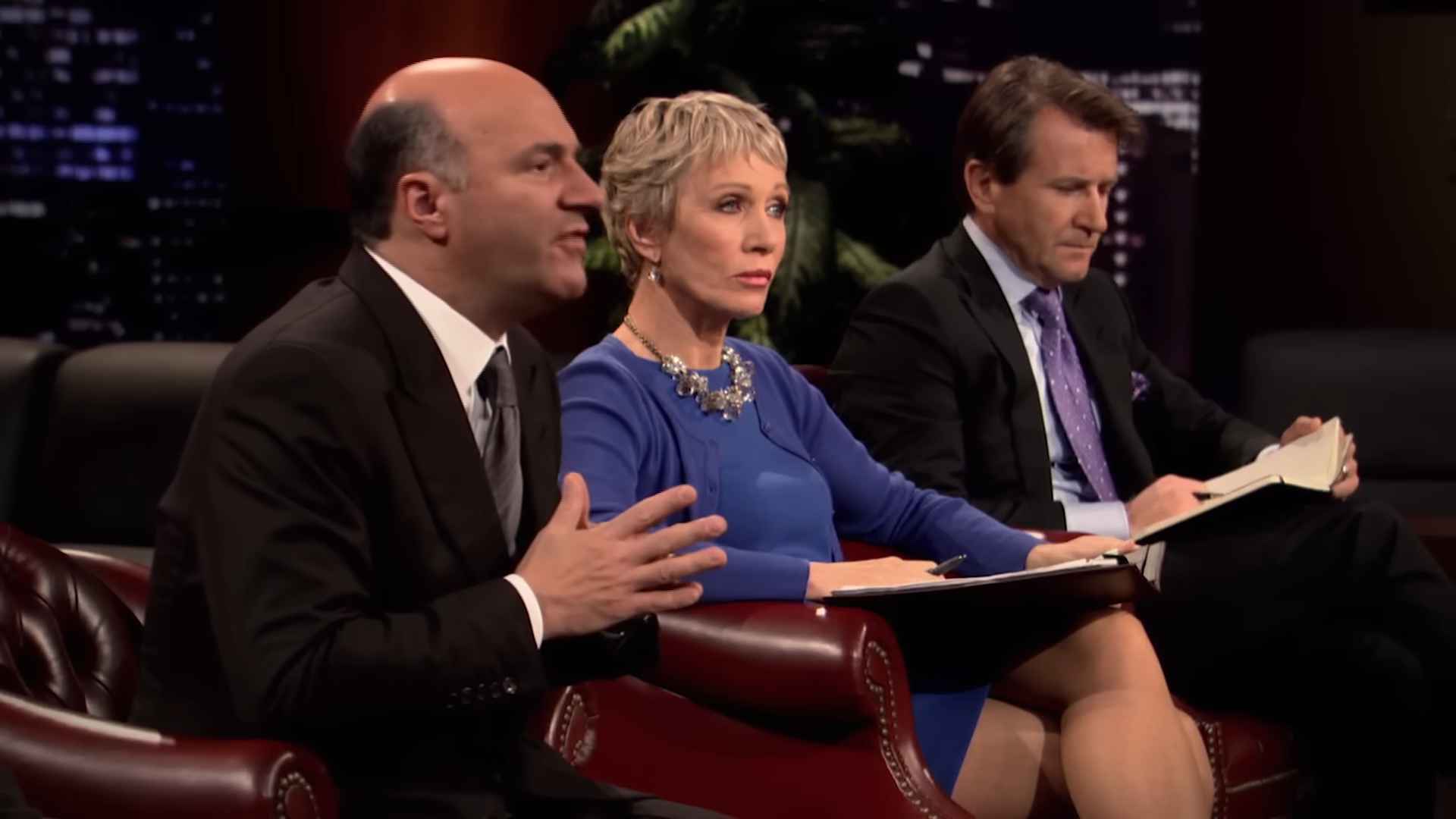
- $750,000 investment
- 30% combined equity
- 10% royalty in perpetuity
- Dallas Mavericks season tickets added by Mark Cuban
Post-Shark Tank Deal Fallout
An agreement accepted during filming is never closed after production. Due diligence revealed differences in long-term expectations and deal mechanics. Negotiations eventually stopped without completion.
Joe Moore later expressed satisfaction with the outcome. Exposure generated immediate brand awareness, international inquiries, and long-term credibility without equity dilution.
Media attention and customer interest continued long after airing, delivering benefits that outweighed the absence of a finalized deal.
Business Expansion and Success
Global licensing and regional partnerships accelerated expansion efforts. Distribution extended across multiple continents while intellectual property protections strengthened market control.
- Over 30 million units sold worldwide by 2024
- Patent coverage secured in more than 50 countries
Strategic expansion continued in 2018 through a partnership with Filter Your Life Healthcare Pvt Ltd in India. Manufacturing scale and regional accessibility improved significantly as a result.
Australian and New Zealand operations shifted in 2024 following the appointment of Breathe Eazy PTY LTD as the exclusive distributor. Enforcement actions were taken to eliminate unauthorized sellers within that territory.
Industry presence strengthened through a product launch at the Workplace Health and Safety Show in Sydney during 2024 at Booth F07.
Pandemic Boom During COVID-19
COVID-19 reshaped consumer behavior around personal respiratory protection as concern over airborne virus transmission intensified across global markets.
Interest shifted rapidly toward solutions that could be worn daily without discomfort, visibility issues, or interference with breathing.
First Defense Nasal Screens gained renewed attention as an added layer of personal filtration designed for normal routines.
Design simplicity and non-inserted placement made the product suitable for extended wear in everyday environments.
@ellieeewbu Its a game changer…🤩 #NasalGuardPartner ♬ Sky Aesthetic – Tollan Kim
- Daily commuters using public transportation
- Essential and frontline workers operating in shared indoor spaces
- Travelers navigating airports, airplanes, and crowded terminals
Media exposure and word-of-mouth accelerated awareness as consumers searched for alternatives that complemented masks or worked independently in lower-risk settings.
Company leadership responded proactively during peak demand periods. Pricing adjustments focused on accessibility rather than profit maximization.
A 15% discount launched during the pandemic aimed to keep personal air filtration affordable while global demand surged.
Sustained interest during COVID-19 introduced the brand to first-time buyers who later became repeat customers, strengthening long-term sales momentum after pandemic restrictions eased.
Current Status As of Late 2025
Operations remain active with continued market presence and distribution growth. Sales channels support both direct-to-consumer and marketplace demand.
- Official website filteryourlife.com
- Amazon with hundreds of positive customer reviews
Product configurations address varied buying preferences through single packs, four-pack bundles, twelve-pack bundles, and subscription-based auto-ship programs.
Private market assessments estimated the company’s valuation at $50 million in 2023. Industry commentary frequently places FDNS among the most successful Shark Tank companies that never finalized an on-air agreement.
View this post on Instagram
Summary
Joe Moore entered Shark Tank facing skepticism that quickly transformed into intense investor competition.
Deal failure after filming did not hinder progress. Brand visibility, global distribution, and sustained sales growth followed without outside equity involvement.
First Defense Nasal Screens now operate as a recognized name in personal air filtration, supported by long-term partnerships, international patents, and a loyal customer base.

Dave Mustaine is a business writer and startup analyst at Sharkalytics.com. His articles break down what happens after the cameras stop rolling, highlighting both big wins and behind-the-scenes challenges.
With a background in entrepreneurship and data analytics, Dave brings a sharp, practical lens to startup success and failure. When he’s not writing, he mentors founders and speaks at entrepreneur events.