
Hybrid learning has moved into long-term school planning.
Many schools now treat it as a normal model that combines in-person learning, remote learning, and flexible participation.
Students may attend class on campus, join online, review recorded lessons, or complete tasks through digital platforms.
Hybrid learning joins traditional classroom instruction with online instruction so schools can shift between physical classrooms and virtual spaces when needed.
Good planning allows teachers and students to keep learning active during schedule changes, weather disruptions, illness, transportation problems, or other interruptions.
An LMS plays an important role in that system. Let’s talk about it.
Core Technology Infrastructure
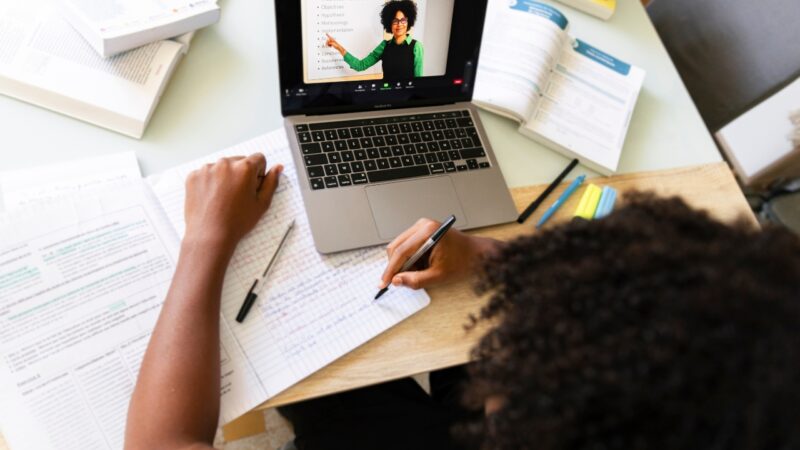
Strong Wi-Fi, stable broadband, cloud access, and consistent platforms help students and teachers move between campus and home without losing instructional time.
Schools need several connected tools working together, not a single platform carrying every task:
Technology should make it easy to access lessons, submit work, join live sessions, review feedback, and communicate with teachers. Video conferencing platforms such as Microsoft Teams, Zoom, Webex, and similar tools support live lectures, breakout groups, Q&A sessions, guest speakers, and mixed classes that include both online and in-person learners. Effective use of these tools requires clear routines, strong audio, reliable video, and well-planned participation methods. Smartboards, interactive displays, cameras, microphones, cloud-connected devices, and live streaming tools help teachers reach students in multiple locations at the same time. Smart classroom infrastructure is becoming more advanced than basic laptops and webcams. A recording automation system can also strengthen hybrid classrooms by capturing lessons with less manual work for teachers. Epiphan Pearl hardware encoders integrate with Panopto to provide touchless lecture capture, automated recording, streaming, and upload workflows. Careful planning matters because these systems work best when teachers know how to use them and students know how to participate through them. Older classroom layouts based on rows of desks and teacher-led lectures often limit interaction in hybrid settings. Newer room designs support digital tools, collaboration, movement, live participation, and recorded instruction. Schools need learning spaces that make communication visible and audible for everyone: Room setup should allow students in class to speak with students online, work in small groups, and see shared materials clearly. Hybrid classrooms should make it possible to teach students in person and online at the same time. Recorded lectures can also help students review material, catch up after an absence, and prepare for assessments. Better planning helps schools stop relying on quick retrofits. Purpose-built hybrid spaces reduce friction for teachers and help students participate more fully across learning formats. Hybrid learning changes daily school operations as well as classroom teaching. Admissions, enrollment, attendance, scheduling, payments, parent communication, and reporting all need to work smoothly across digital and physical settings. Smart school management systems act as the operational backbone for hybrid schools. They automate routine work, reduce paperwork, save staff time, and give school leaders better access to current information. Operational systems should connect with the LMS rather than sit apart in isolated platforms. Teachers, administrators, students, and parents need shared information so attendance, assignments, grades, messages, schedules, and reports stay accurate. Parent portals are especially important in hybrid models because families need current information without waiting for separate updates. Connected systems also help school leaders make better decisions. Attendance patterns, engagement trends, grade changes, and communication records can show where students need support and where school processes need adjustment. Teacher readiness is one of the biggest factors in hybrid learning quality. Many challenges are human, not only technical, because tools only work well when teachers feel prepared to use them. They need to use platforms such as Google Classroom, Microsoft Teams, and Zoom, track student performance through LMS data, and create multimedia lessons that fit live and asynchronous learning. Numbers like these show why professional support cannot be treated as optional. Schools should invest in professional development, digital pedagogy, change management, and responsive technical help. Training should cover lesson design, online engagement, classroom management, accessibility, assessment, feedback, and safe technology use. Buying hardware is not enough. Teachers need time, coaching, peer support, and clear expectations so technology improves learning instead of adding stress. Hybrid learning only works when all students can participate fully. Access must cover students on campus, at home, or in another learning location. Schools should address device access, home internet, accessibility needs, digital literacy, and flexible scheduling. Students may face unreliable internet, power outages, limited device availability, shared household technology, or low confidence with digital tools. Without investment, hybrid learning can create unequal experiences. Remote students may receive weaker instruction, less interaction, and fewer chances to ask questions than students who are physically present. Schools need practical plans that reduce these barriers. Equity measures may include device-loan programs, offline materials, adaptable schedules, accessible content, recorded lessons, and dedicated support for remote learners. Strong hybrid design treats access as a core requirement, not an extra feature. Schools need tools that track attendance, progress, participation, and performance across both online and in-person learning. Hybrid models make it harder to rely only on paper records or informal observation. Many hybrid schools are replacing paper-based exams as the main measure of learning. Online quizzes, instant feedback, AI-based analytics, continuous assessment, and parent dashboards can give teachers a more current view of student progress. Learning analytics can help teachers identify student needs faster. Several signals can show when a student may need support. Dashboards should help teachers and students, not simply watch them. Useful data should point toward timely feedback, tutoring, lesson adjustment, and better communication with families. An LMS should connect with assessment and analytics systems so learning information becomes actionable. Disconnected data creates extra work, while connected data helps teachers respond with greater speed and accuracy. Hybrid learning increases digital risk because schools use more platforms, devices, cloud tools, and remote access points. More connections can mean more chances for data loss, unauthorized access, or misuse. Schools need secure logins, clear data protection policies, device management, staff training, and rules for handling student information. Security planning should cover teachers, students, administrators, families, and outside technology providers. Cybersecurity is becoming a bigger challenge as hybrid environments add complexity across live lessons, remote access, connected classrooms, and digital communication. Schools must protect both instructional systems and operational systems. Parents should be able to trust that student information is protected because many school tools handle sensitive records. Privacy and security need to be built into the hybrid infrastructure early. Adding protection after problems occur is less effective and more costly than planning for safe use at the start. Hybrid learning infrastructure is an ecosystem, not just an LMS. A learning management system is useful, but it is only one part of what schools need. Reliable connectivity, cloud platforms, video tools, smart classroom hardware, flexible spaces, integrated operations, teacher training, equitable access, assessment systems, and secure data practices all support a stronger model. Strong hybrid learning does not replace teachers or traditional education. It helps teachers expand access, improve continuity, support different learning needs, and keep human interaction at the center of education. Viola Moorhouse is the coauthor and research lead at Sharkalytics.com, specializing in startup performance tracking and investor strategy. With a background in market research and business journalism, Viola focuses on separating the hype from the reality in the world of televised entrepreneurship. She’s passionate about making complex startup stories accessible to a wide audience.
Flexible Learning Spaces
Remote students should not feel like viewers watching a class designed only for students in the room.
Integrated School Systems

Teacher Training and Support
Student Access and Equity
Data, Assessment, and Feedback
Cybersecurity and Privacy
Summary