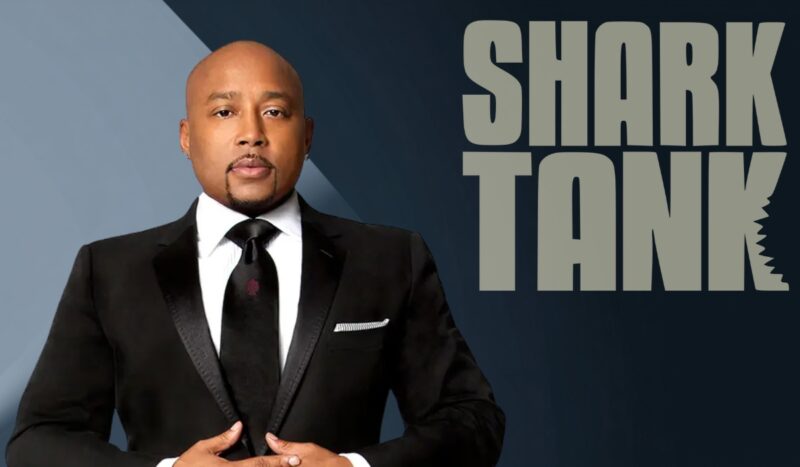
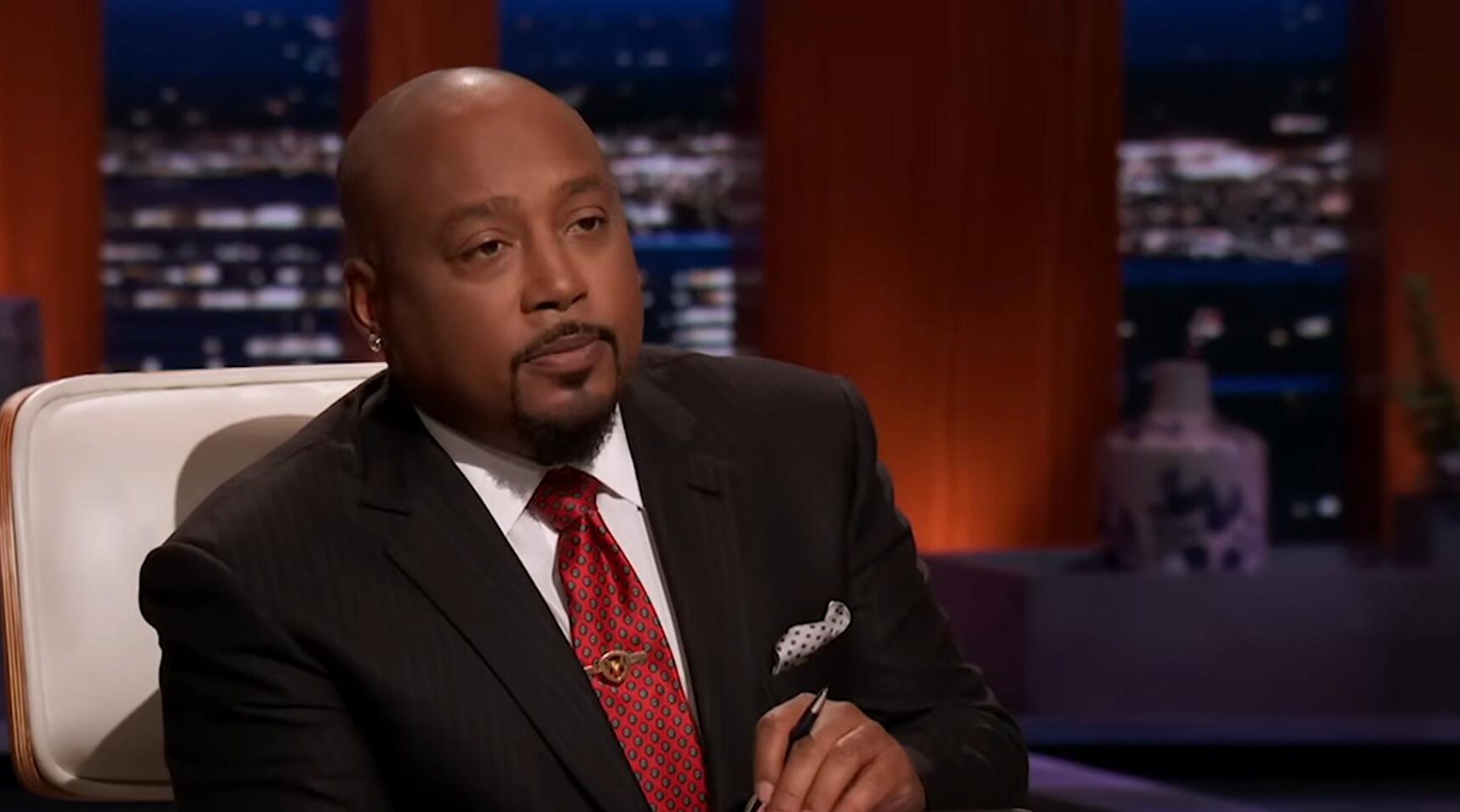
Daymond John is widely known as a self-made entrepreneur and branding expert.
He founded FUBU, a fashion company that began with only $40 and eventually grew into a global brand valued at more than $6 billion.
Early hustle defined his path, starting with selling pencils at six years old and later working long shifts at Red Lobster while building FUBU at night.
His role as a core investor on ABC’s Shark Tank further expanded his influence. His investing style focuses on scalable ideas, strong branding, and founders who understand hustle and discipline.
Bubba ’s-Q Boneless Ribs
Bubba’s-Q Boneless Ribs appeared in Season 5 alongside entrepreneur Al “Bubba” Baker, a former NFL player who transformed a personal recipe into a scalable food business.
Deal terms involved $300,000 for 15 percent equity, allowing Daymond John to take an active role in strategy, distribution, and brand positioning.
National television exposure immediately shifted business momentum. Restaurant operators and large distributors responded quickly once proof of demand and production consistency became visible.
Operational readiness allowed rapid scaling without sacrificing quality, a critical factor in food service expansion.
- Revenue began at $154,000 and surpassed $16 million
- Close to one million pounds of ribs ordered by CKE Restaurants
- Product rolled out across Hardee’s and Carl’s Jr. locations nationwide
Daymond John later described Bubba’s-Q as his most surprising moneymaker.
Results reflected strong founder credibility, disciplined execution, and a clear path into mass food service channels within a highly competitive category.
Mission Belt
View this post on Instagram
Mission Belt appeared in Season 4 with founder Nate Holzapfel. Investment terms included $50,000 for 37.5 percent equity, giving Daymond John meaningful influence over branding, pricing, and long-term growth decisions.
Product design addressed a simple but widespread issue through hole-less, ratchet-style belts that offered durability and comfort.
Brand messaging connected functionality with purpose, helping Mission Belt secure placement in competitive retail environments. Social impact details became part of the purchasing decision rather than an afterthought.
- One dollar donated per belt sold
- Microloans supported entrepreneurs across more than 80 developing nations
- Over $1.5 million distributed through lending programs
Revenue growth confirmed market acceptance, reaching $8.2 million. Fashion expertise paired with mission-first storytelling created a strong alignment with Daymond’s professional background.
VPcabs Virtual Pinball Machines
VPcabs entered Shark Tank in Season 7 with founder Brad Baker, focusing on collectors and arcade enthusiasts instead of mass-market buyers. Agreement details included $200,000 for 25 percent equity, reflecting confidence in a premium niche strategy.
Product development centered on high-end virtual pinball machines designed for home use, with pricing reaching up to $9,000 per unit.
Early sales remained limited due to low awareness rather than a lack of demand. National exposure repositioned the brand and expanded credibility among hobbyists.
- Revenue stayed under $400,000 prior to airing
- Revenue exceeded $1 million following national visibility
Daymond John played a key role in branding direction and licensing discussions, helping the company reach a broader audience. Focused marketing combined with premium pricing proved effective once awareness increased.
Sun-Staches
Sun-Staches appeared in Season 6 with founders David Levich, Eric Liberman, and Dan Gershon. Deal structure closed at $300,000 for 20 percent equity, reflecting confidence in branding scalability and licensing opportunities.
Product offerings centered on novelty sunglasses paired with costume-style features such as mustaches and character designs. Viral attention and impulse purchasing drove rapid growth shortly after broadcast.
Retailers responded quickly to demand tied to events, holidays, and pop culture moments.
- Sales rose starting at $2.8 million
- Revenue reached $4.1 million within four months
Marvel licensing agreements followed, allowing character-themed product lines linked to major entertainment franchises. Licensing expertise helped accelerate retail expansion and repeat seasonal demand.
Mo’s Bows
Mo’s Bows appeared in Season 5 with entrepreneur Moziah “Mo” Bridges, who was only 15 years old at the time. Daymond John chose mentorship instead of equity or cash involvement, focusing on long-term brand development.
Guidance emphasized retail readiness, brand consistency, and professional presentation. Access to networks and strategic advice helped fast-track credibility within high-end fashion spaces.
- Placement inside Neiman Marcus stores
- NBA licensing agreement for official team bow ties
Support for Mo’s Bows reflected belief in founder’s potential and sustainable brand growth. Emphasis remained on empowerment and skill-building rather than short-term financial return.
The Bottom Line
Daymond John’s strongest Shark Tank deals reveal a wide-ranging investment approach. Portfolio performance includes food, fashion, novelty products, and technology-based entertainment.
Success patterns often connect scalability, branding strength, and meaningful social impact. Experience built through FUBU enabled effective use of celebrity influence, licensing partnerships, and mentorship to create sustained growth.
Results show how disciplined execution and brand-driven strategy can turn small ideas into multimillion-dollar businesses.

Viola Moorhouse is the coauthor and research lead at Sharkalytics.com, specializing in startup performance tracking and investor strategy.
With a background in market research and business journalism, Viola focuses on separating the hype from the reality in the world of televised entrepreneurship. She’s passionate about making complex startup stories accessible to a wide audience.