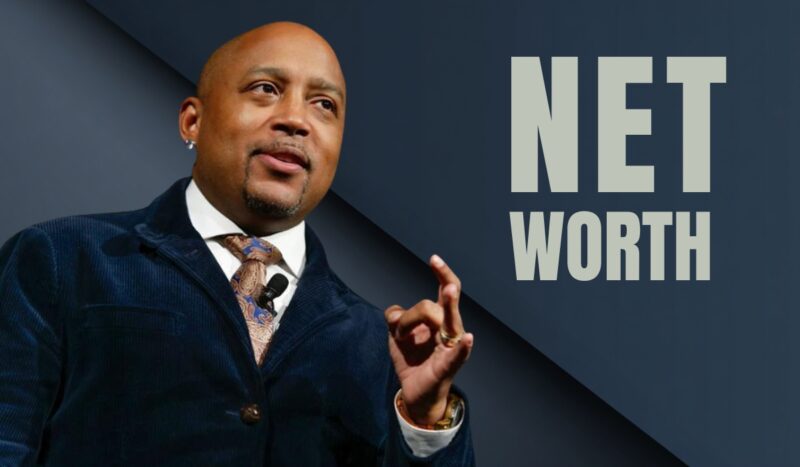
Daymond John was selling $10 wool hats on a street corner in Queens long before anyone called him a Shark. He had no fashion training, wealthy investor, or a large company behind him. He had spotted a product people wanted, worked out how to make it more cheaply, and started selling it himself.
That small operation became FUBU, one of the defining clothing brands of 1990s hip-hop. The company has since generated more than $6 billion in worldwide sales. John later took his experience into Shark Tank, where a $200,000 investment in Bombas became the biggest deal of his television career.
Daymond John’s net worth is estimated at $350 million in 2026. The figure is not taken from an audited financial statement, but it is widely reported across current business and celebrity finance profiles. His wealth comes from FUBU, private investments, television, The Shark Group, books, speaking engagements, licensing agreements, and other business partnerships.
Daymond John’s Net Worth in 2026

Current estimates place Daymond John’s net worth at around $350 million. He is not a billionaire, and the $6 billion associated with FUBU should not be confused with his personal fortune.
FUBU’s figure represents cumulative sales generated by the brand over several decades. That money covered manufacturing, distribution, retailer margins, salaries, marketing, taxes, partner shares, and other business costs. John received only part of the profit produced by those sales.
His personal finances are spread across several businesses and private investments, which makes an exact calculation impossible from public information. The reported $350 million estimate gives a reasonable picture of his wealth, but it should not be treated as a precise balance of everything he owns and owes.
| Source of wealth | How it contributes |
|---|---|
| FUBU | Ownership, licensing agreements, brand partnerships, and clothing sales |
| Shark Tank | Television income, business exposure, and equity in companies backed on the show |
| The Shark Group | Brand management and business consulting |
| Books | Royalties from business books and a bestselling children’s book |
| Public speaking | Paid appearances at corporate events, conferences, and universities |
| Private investments | Ownership interests in businesses inside and outside Shark Tank |
Related: See how the American and British shows compare in Shark Tank vs. Dragon’s Den.
FUBU Began With $40 and a Few Wool Hats
View this post on Instagram
A post shared by Daymond John (@thesharkdaymond)
John’s first product was not a FUBU jersey or oversized sweatshirt. It was a wool ski hat with its top tied together by fishing line.
Similar hats were selling for about $20 in New York. John believed the price was too high, so he bought fabric and began making his own with help from his mother and a neighbor. They sold the hats for $10 on Jamaica Avenue and made about $800 in one day.
The sales convinced him that he had found a real opportunity. Hats led to printed T-shirts, sweatshirts, hockey jerseys, and other clothing aimed at the young people growing up around hip-hop in New York.
John worked at Red Lobster as the business developed. His restaurant income paid his living expenses and allowed him to spend nights and weekends building the clothing company with Keith Perrin, J. Alexander Martin, and Carlton Brown.
The name FUBU meant “For Us, By Us.” The brand spoke directly to customers whom major fashion companies were happy to sell to but rarely included in ownership, design, or marketing decisions.
His Mother Put Her House Behind the Business
The $40 beginning is an important part of the FUBU story, but it was not the only money that the company needed.
John and his partners returned from the MAGIC fashion trade show in Las Vegas with roughly $300,000 in orders. Retailers wanted the clothes, but FUBU did not have enough money to manufacture and deliver them.
John’s mother, Margot, took out a loan of about $100,000 against the family home in Hollis. Part of the house was converted into a working factory. Sewing machines and materials filled rooms that had previously been used by the family.
The money disappeared faster than John expected. FUBU had orders but struggled with the long gap between paying to manufacture clothes and receiving money from retailers. John later acknowledged that the family came close to losing the house.
More than two dozen banks rejected his requests for financing. His mother used part of their remaining money to place an advertisement in The New York Times. The message said that the company had orders and needed funding.
Samsung’s textile division responded. Its financing and manufacturing support gave FUBU the capacity to supply large retailers and expand internationally.
LL Cool J Gave FUBU Advertising It Could Never Afford
FUBU did not have the budget to compete with established fashion labels through conventional advertising. John found another route into the market.
He lent clothing to rappers for music videos and photo shoots. The same pieces could be worn by several artists before being returned. Viewers repeatedly saw the FUBU logo and assumed the company was much larger than it really was.
LL Cool J became the most important celebrity associated with the brand. He grew up in the same Queens neighborhood and wore FUBU clothing when the company was still fighting for recognition.
His most famous contribution came during a national Gap commercial. LL Cool J wore a FUBU hat and slipped the words “for us, by us” into his rap. Gap paid to broadcast an advertisement that quietly promoted another clothing company.
The appearance gave FUBU national exposure at a level John could not have purchased. It also strengthened the brand’s connection with hip-hop because the endorsement came from an artist who already had credibility with the audience.
FUBU grew into an international business with more than $6 billion in cumulative sales. At its late 1990s peak, the company generated hundreds of millions of dollars in annual revenue and became one of the most recognizable fashion names in music.
FUBU Did Not Make John Rich Overnight
The success was enormous, but the business did not follow a straight line. FUBU expanded quickly, produced too many product categories, and eventually lost some of the scarcity that had made the clothing desirable.
John has spoken about earning a large amount of money and then losing control of it because his financial knowledge had not developed as quickly as his company. FUBU’s growth taught him how easily sales numbers can hide problems with cash flow, inventory, and spending.
The brand later pulled back from the American market instead of allowing retailers to discount the clothing until the name lost all value. FUBU continued through international sales, licensing, collaborations, and later revival collections.
John remained FUBU’s founder, president, and chief executive. The brand still forms an important part of his wealth, but it is no longer his only business.
View this post on Instagram
Shark Tank Turned Him Into a Household Name
Producer Mark Burnett invited John to join a new ABC business show in 2009. The idea was simple. Entrepreneurs would pitch their companies to a panel of wealthy investors and try to leave with a deal.
Shark Tank gave John something FUBU could not. It placed him in American homes every week as himself rather than as the businessman behind a clothing label.
His fashion background immediately separated him from the other Sharks. John knew how branding, licensing, celebrity placement, retail distribution, and cultural credibility could change a consumer product. He also recognized founders who had built a loyal following before they had built a polished company.
John remains part of the main Shark Tank cast in 2026. Season 17 continued after Mark Cuban’s departure, with Daniel Lubetzky joining John, Barbara Corcoran, Lori Greiner, Kevin O’Leary, and Robert Herjavec as a regular Shark.
Bombas Became His Biggest Shark Tank Success
David Heath and Randy Goldberg entered the Tank asking for $200,000 in exchange for 5 percent of Bombas. Their company sold specially designed socks and donated an item for every item purchased.
Most of the Sharks declined. John saw a product that solved practical problems and carried a charitable story customers could remember. After negotiating, he agreed to invest $200,000 for 17.5 percent of the company.
Bombas went on to become the highest-selling business ever featured on Shark Tank. Reported lifetime sales have moved well past $1 billion. John has repeatedly called it his best investment from the show.
His current ownership percentage is not public. Later funding can reduce an early investor’s stake, and the final terms of television deals can change after filming. Any claim that simply multiplies 17.5 percent by a current Bombas valuation is likely to overstate what John owns today.
The deal remains highly valuable even without a public figure attached to his return. It also gave John another major asset that was separate from fashion and television income.
He Did Not Invest in Kodiak Cakes
Kodiak Cakes is often included on lists of Daymond John’s successful investments, but he did not become an investor in the company.
Co-founder Joel Clark and then-president Cameron Smith asked the Sharks for $500,000 in exchange for 10 percent of Kodiak Cakes. John offered $500,000 for 20 percent, provided another Shark joined him. Kevin O’Leary also made an offer.
The founders rejected the available deals and left without an investment. Kodiak Cakes later became one of the show’s best-known companies, but its growth did not add to John’s personal wealth.
His genuine deals include Bombas, Sun-Staches, Mo’s Bows through a mentorship arrangement, and numerous consumer brands pitched during his long run on the show. Earlier reports placed his on-air investment total above $8.5 million across more than 60 businesses, according to the U.S. Chamber of Commerce. The amount has grown with deals made in later seasons.
Television Increased the Value of His Name
View this post on Instagram
A post shared by Daymond John (@thesharkdaymond)
No reliable source shows that John has earned exactly $20 million from Shark Tank. ABC does not disclose his current contract or payment per episode.
The show has still been extremely valuable to him. His television salary is only one part of that value. Weekly exposure promotes his books, attracts speaking clients, brings companies to The Shark Group, and gives potential business partners a reason to take his call.
A deal made on the program can also continue producing returns for years. Television income ends when an episode is completed. Equity in a growing company can become more valuable long afterward.
John confirmed that he had no immediate plan to leave Shark Tank. His place on the show remains central to his public profile and his access to new investment opportunities.
The Shark Group Handles Branding and Consulting
John founded The Shark Group as a brand management and consulting company. Its work builds on the same experience that made FUBU successful.
The company advises businesses on brand identity, marketing, licensing, digital content, and relationships with customers. It also manages parts of John’s public work, including speaking appearances and media projects.
The Shark Group gives him income that does not depend on clothing sales or a successful television deal. It also allows him to sell the knowledge gained from more than three decades of building brands.
John also operates Blueprint + Co, a business and event space in New York. By 2026, he was managing FUBU, The Shark Group, and Blueprint + Co alongside his television work and private investments.
Books and Speaking Have Become Major Businesses
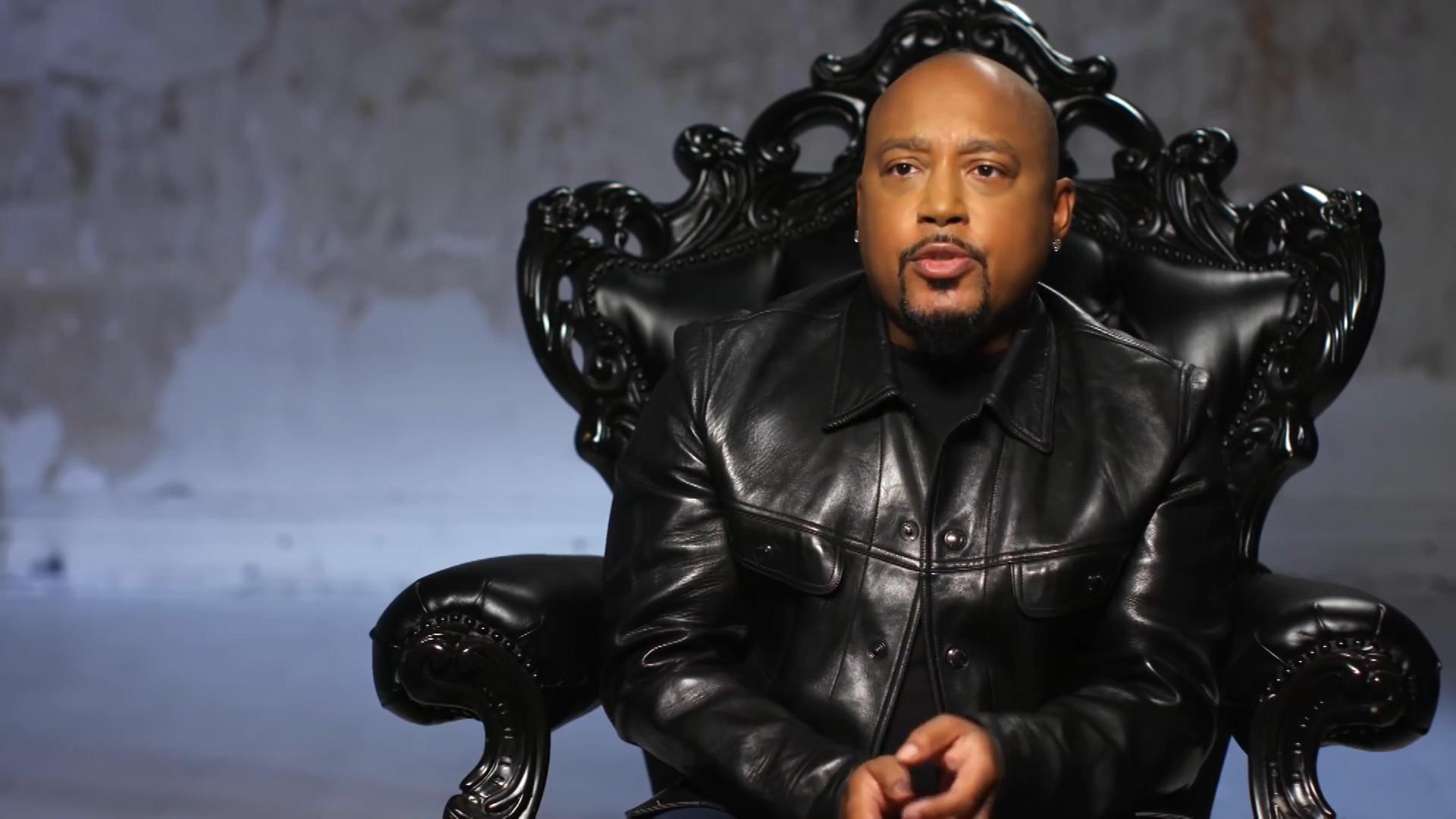
John has written several books about entrepreneurship, branding, negotiation, and money. His best-known titles include Display of Power, The Brand Within, The Power of Broke, Rise and Grind, and Powershift.
The Power of Broke draws directly from his FUBU experience. John argues that limited money can force a founder to listen more carefully to customers, use personal relationships, and find marketing ideas that a well-funded company might ignore.
His children’s book, Little Daymond Learns to Earn, introduces basic ideas about earning, saving, spending, and starting a small business. The book became a New York Times bestseller.
Corporate speaking provides another source of income. John is booked to discuss branding, negotiation, leadership, sales, and lessons from FUBU. Fees from private events are not publicly disclosed, so they cannot be added reliably to his net worth.
Daymond John’s Wife and Children
John is married to Heather Taras, who now publicly uses the name Heather John. They became engaged in 2016 and married in 2018.
The couple has a daughter named Minka. John also has two adult daughters, Destiny and Yasmeen, from a previous relationship.
His family occasionally attends premieres and public events with him, but Heather has not become a regular part of Shark Tank. She and John have worked together on selected promotional campaigns and share an interest in health and longevity.
John’s experience as a father influenced Little Daymond Learns to Earn. He has explained how he and Heather use Minka’s piggy bank to teach her about needs, wants, and investing rather than treating money as a subject reserved for adults.
Cancer Changed How He Approached His Health
John was diagnosed with stage 2 thyroid cancer in 2017 after a doctor found a small nodule during a physical examination. He underwent surgery to remove it and later spoke publicly about the value of regular health checks.
The experience eventually changed his daily routine. By 2026, John was placing far more attention on sleep, food, exercise, intermittent fasting, and recovery. He has said that he travels around 250 days a year, which makes consistent habits difficult but necessary.
His current routine includes daily walking, short workouts, a restricted eating window, limited processed food, and no alcohol. He has also experimented with cold plunges, red-light equipment, and other practices associated with biohacking.
Health and longevity have become areas of personal interest and possible business activity, but they should not be described as a new multimillion-dollar venture without evidence.
Black Entrepreneurs Day Provides Grants and Advice
John created Black Entrepreneurs Day in 2020 after the murder of George Floyd and the national protests that followed. He wanted to produce an event built around business resources, grants, and direct conversations rather than another general discussion about inequality.
The free program has featured Black business leaders, entertainers, and public figures. Previous participants include Shaquille O’Neal, Kevin Hart, Whoopi Goldberg, Spike Lee, and Venus Williams.
Grants awarded through the event and its partners have provided capital to Black-owned businesses. The NAACP Powershift Entrepreneur Grant distributed $500,000 among recipients during one year of the program.
New York City later issued a proclamation recognizing Black Entrepreneurs Day. The project has also received Webby recognition through work produced by The Shark Group.
What Daymond John Is Doing in 2026
View this post on Instagram
John remains active on Shark Tank during its 17th season. He continues to oversee FUBU, The Shark Group, and Blueprint + Co, and he still travels regularly for business meetings and speaking appearances.
Live selling has become one area of growing interest. The format allows a host to demonstrate and sell products through a real-time video stream, combining parts of television shopping, social media, and e-commerce.
John is also exploring opportunities connected with artificial intelligence, wellness, and longevity. He discussed those interests in a 2026 account of his daily work and health routine. No confirmed announcement supports the earlier claim that he is launching a new general e-commerce platform.
His work still returns to the subject that first made him successful. A product needs a customer, but a lasting business also needs a name, story, and identity that people remember.
What Daymond John’s Story Actually Shows
John did not build FUBU through hard work alone. He saw that young Black consumers wanted clothing created by people who knew their culture. He made a product for that customer, placed it on artists they already admired, and protected the connection between the brand and its audience.
He also made expensive mistakes. FUBU nearly lost the house used to finance its production. Rapid expansion weakened the company, and early wealth disappeared faster than John expected. Those failures later became part of the advice he sold through books, speeches, consulting, and television.
His career has lasted because he did not depend on one source of money. Fashion created the first fortune. Television made his name familiar outside hip-hop. Investments gave him ownership in new companies. Books, consulting, licensing, and speaking allowed him to earn from what he had learned.
Daymond John at a Glance
| Detail | Information |
|---|---|
| Full name | Daymond Garfield John |
| Date of birth | February 23, 1969 |
| Age in 2026 | 57 |
| Birthplace | Brooklyn, New York |
| Raised in | Hollis, Queens |
| Known for | FUBU and Shark Tank |
| Estimated net worth | $350 million |
| Wife | Heather John |
| Children | Three daughters |
| Major companies | FUBU, The Shark Group, and Blueprint + Co |
| Best-known investment | Bombas |
FAQ

Viola Moorhouse is the coauthor and research lead at Sharkalytics.com, specializing in startup performance tracking and investor strategy.
With a background in market research and business journalism, Viola focuses on separating the hype from the reality in the world of televised entrepreneurship. She’s passionate about making complex startup stories accessible to a wide audience.