

Cyprus entered 2026 with strong property-market momentum, supported by rising prices, record transaction values, foreign investment, relocation activity, and growing rental demand.
Residential prices increased by 7.5% year over year in the first quarter of 2026, following growth of 7.1% in the final quarter of 2025.
Buyer activity is spread across several segments.
Overseas investors continue to focus on coastal districts, domestic households are active in Nicosia and lower-priced categories, while expatriates, students, and professionals are adding pressure to the rental sector.
Limited completed housing is also helping prices and rents stay firm, even as building permits increase.
Cyprus Housing Supply and New Construction
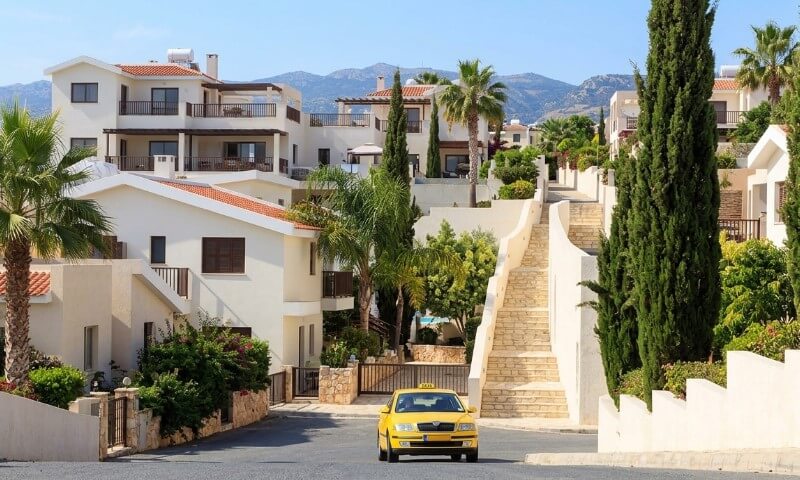
Housing construction is increasing, but completed inventory is entering the market slowly.
Licensing delays, labor shortages, elevated material costs, and longer construction schedules continue to limit the speed at which approved projects become available homes.
Cyprus issued 6,089 residential building permits in 2025, an increase of 29.4%. Those permits covered 16,171 authorized dwellings, up 42.7%.
Planned supply varied significantly by district:
- Nicosia recorded 5,374 authorized units.
- Limassol recorded 4,745 units.
- Larnaca recorded 3,778 units.
- Paphos recorded 1,729 units.
- Famagusta recorded 545 units.
Construction output increased by 9% year over year in the fourth quarter of 2025.
Higher output should gradually add inventory, but a building permit does not create immediate housing availability.
Design changes, financing, contractor availability, infrastructure work, and final approvals can extend delivery timelines
Alternative building methods may help some buyers reduce construction timelines and control project costs, with steel frame houses in Cyprus available in multiple layouts, sizes, and completion packages through companies like Elythera.
Foreign Buyer Demand in Cyprus Property
@taxrebase American buyers in Cyprus: US-style closing is wrong. Permission comes first. Council of Ministers permission sits before title deed transfer for non-EU buyers. US buyers often arrive with the wrong frame. Cyprus real estate is not only a property decision when the purchase is meant to support residency, family relocation, or a post-2024 diversification plan. The first classification matters: investment property, residence property, or tax residence base. A seafront rental unit may not satisfy the Cyprus residence by investment program, while a family home does not create Cyprus tax residence without day count and life footprint alignment. The second friction point is banking. Cyprus banks can review source of wealth, source of funds, sanctions exposure, and US indicia before funds move, especially for non-resident US persons. The carousel sets out the five-item file to review before a deposit: permission, title position, banking, FATCA, and residency fit. Not tax advice. Email us your situation if a Cyprus purchase is part of your relocation plan. Which part tends to be underestimated first: title deeds, banking, or residency fit? #CyprusProperty #CyprusRelocation #USExpats
International buyers are a major source of activity across Cyprus, especially in Paphos, Larnaca, and Limassol.
Foreign-buyer transactions rose by 16% during 2025 and represented about 28% of all property deals.
Late-year figures point to even stronger overseas participation. Foreign buyers accounted for 41.3% of transactions in the fourth quarter of 2025, showing that international purchasing accelerated near the end of the year.
Several factors support overseas interest. Cyprus offers EU membership, a stable political setting, a favorable tax structure, an English-speaking professional sector, and a Mediterranean climate.
Direct air connections, established expatriate communities, and access to international schools also make relocation easier for families and professionals.
Buyer preferences vary by district. Limassol attracts corporate executives and higher-budget investors, Paphos draws retirement and holiday-home buyers, while Larnaca offers lower entry prices and expanding development activity.
Cyprus Permanent Residency and Property Investment
Permanent residency rules continue to support demand for qualifying new property.
Applicants must invest at least €300,000 plus VAT and provide evidence of annual overseas income totaling at least €50,000.
Additional income requirements apply to family members:
- €15,000 per year for a spouse.
- €10,000 per year for each child.
- Ongoing proof that investment and income conditions are maintained.
Eligible permits can include spouses and dependent children. Validity does not expire as long as required conditions continue to be met.
Residency-linked purchases are only one part of relocation demand.
International companies have moved employees and operations to Cyprus, creating additional need for owner-occupied housing and long-term rentals.
Retirees, remote professionals, and entrepreneurs also contribute to demand in coastal areas and urban business centers.
Relocation activity has a wider effect on local housing. Incoming workers often rent before purchasing, which increases occupancy in newer apartments near offices, schools, shopping areas, and transportation routes.
Domestic Property Demand and Cyprus Mortgage Rates

Local households continue to support the market, particularly in Nicosia and in lower-to-mid-priced housing categories.
Domestic purchasers usually place greater focus on permanent residence, access to employment, schools, daily services, and manageable mortgage payments.
Financing conditions improved during 2025 and early 2026. Average rates on new housing loans reached 3.15% in March 2026, while average bank mortgage rates were reported at 3.73% in April 2026.
Lower borrowing costs can help households that delayed purchases during the period of higher interest rates.
Monthly payments may become more manageable, allowing some renters and first-time buyers to return to the sales market.
Affordability is still a concern. Mortgage rates are above levels recorded before 2022, while several years of property-price growth have increased required deposits and total borrowing needs.
Cyprus Rental Market Growth and Rental Yields
Rental demand is supported by expatriates, university students, professionals, tourists, and households unable to purchase property.
Limited housing availability in key employment and education centers has created strong competition for well-positioned units.
Average gross rental yields across selected Cyprus submarkets were about 4.88%.
Apartments produced an average yield of 7.5% for houses during the first quarter of 2026.
Indicative city-level yields were reported at:
- 6% in Limassol.
- 8% in Paphos.
- 5% in Nicosia.
- 5% in Larnaca.
Actual returns depend on purchase price, property condition, vacancy periods, maintenance costs, management expenses, and rental strategy.
Gross yield figures do not account for every ownership expense.
Apartments near business districts, universities, tourism zones, and public transportation are likely to record stronger occupancy.
Modern studios and one-bedroom units can perform well among students and younger professionals, while larger apartments near schools may attract relocated families.
Short-term rentals can generate higher seasonal income in tourism areas, but they also involve greater management needs and less predictable annual occupancy.
FAQs
Closing Thoughts
Cyprus’s real estate market is supported by foreign participation, residency-linked investment, domestic buyers, relocation activity, improving financing, and limited completed housing.
Opportunities differ by location and property type. Limassol offers corporate and premium demand, Larnaca provides lower entry costs and development potential, Paphos benefits heavily through overseas buyers, and Nicosia offers stable year-round activity.
Careful attention to purchase costs, rental income, financing, and local supply will be essential for buyers during 2026.

Dave Mustaine is a business writer and startup analyst at Sharkalytics.com. His articles break down what happens after the cameras stop rolling, highlighting both big wins and behind-the-scenes challenges.
With a background in entrepreneurship and data analytics, Dave brings a sharp, practical lens to startup success and failure. When he’s not writing, he mentors founders and speaks at entrepreneur events.