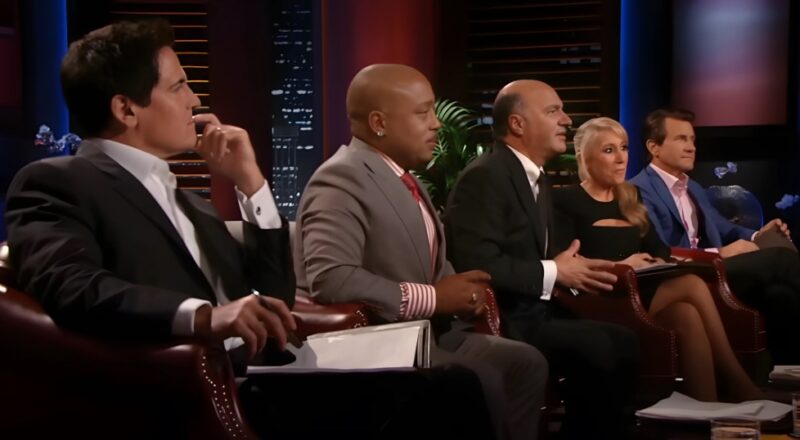
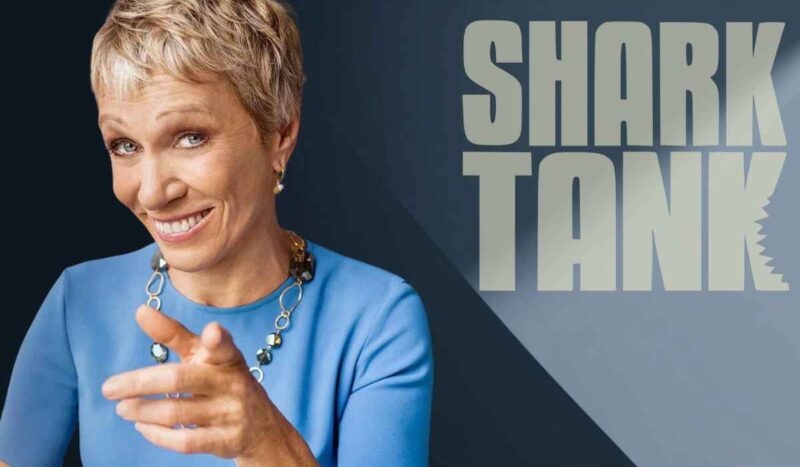
Barbara Corcoran joined Shark Tank as an investor in 2009 and quickly built a reputation tied to sharp instincts and direct involvement. Real estate experience shaped her mindset, while hands-on mentorship became a defining trait.
More than 80 businesses received funding over 14 years on the show, a number that reflects selectivity rather than volume. Deal count does not lead the panel, yet profitability places her near the top tier.
Core belief centers on backing people first, then products, a principle repeated in interviews and outcomes.
Top Deals That Paid Off and What Happened Next
Certain investments define Barbara Corcoran’s track record more clearly than deal count ever could.
Pattern recognition, fast conviction, and trust in founders consistently shaped her strongest outcomes.
Each of the following businesses entered the Tank with skepticism in the room, yet exited with a partner willing to commit early and stay involved.
The results that followed turned these decisions into reference points for long-term return potential.
The Comfy
Brian and Michael Speciale walked into the Tank with an oversized wearable blanket paired with a hoodie, positioned as a comfort product suited for everyday lounging.
Pitch simplicity worked against them at first, as novelty drove hesitation across the panel. The original ask requested 50,000 dollars for 20 percent equity.
Negotiation closed quickly at 50,000 dollars for 30 percent with Barbara Corcoran once conviction set in.
Most Sharks stepped away, leaving a single investor ready to trust instinct over consensus.
Viral potential combined with confident delivery created the belief that demand could spread quickly through direct response channels, making it one of the most successful deals made!
- $1 million in sales within five weeks after Season 9 aired in 2017
- $15 million in revenue in one year
- $468 million in sales within three years
Later commentary revealed surprise even on her side regarding the scale achieved, reinforcing how intuition sometimes outpaces expectation.
Pipcorn
View this post on Instagram
Jeff and Jennifer Martin, siblings based in Brooklyn, presented a mini heirloom popcorn brand centered on taste and texture.
Concept clarity stood out, though skepticism surfaced around scale and category competition. The initial ask requested $200,000 for 10% equity.
Deal terms closed at $200,000 for 10% plus 10 percent of future distributions with Barbara Corcoran.
Product positioning focused on smaller kernels designed to avoid sticking in teeth, creating a clear point of differentiation at the shelf level.
- Placement in more than 20,000 stores, including Whole Foods, Kroger, and Sprouts
- Over 7.5 million bags sold
- Reported revenue exceeding 18 million dollars
Confidence remained steady despite public criticism during negotiations, and execution validated the bet.
Cousins Maine Lobster
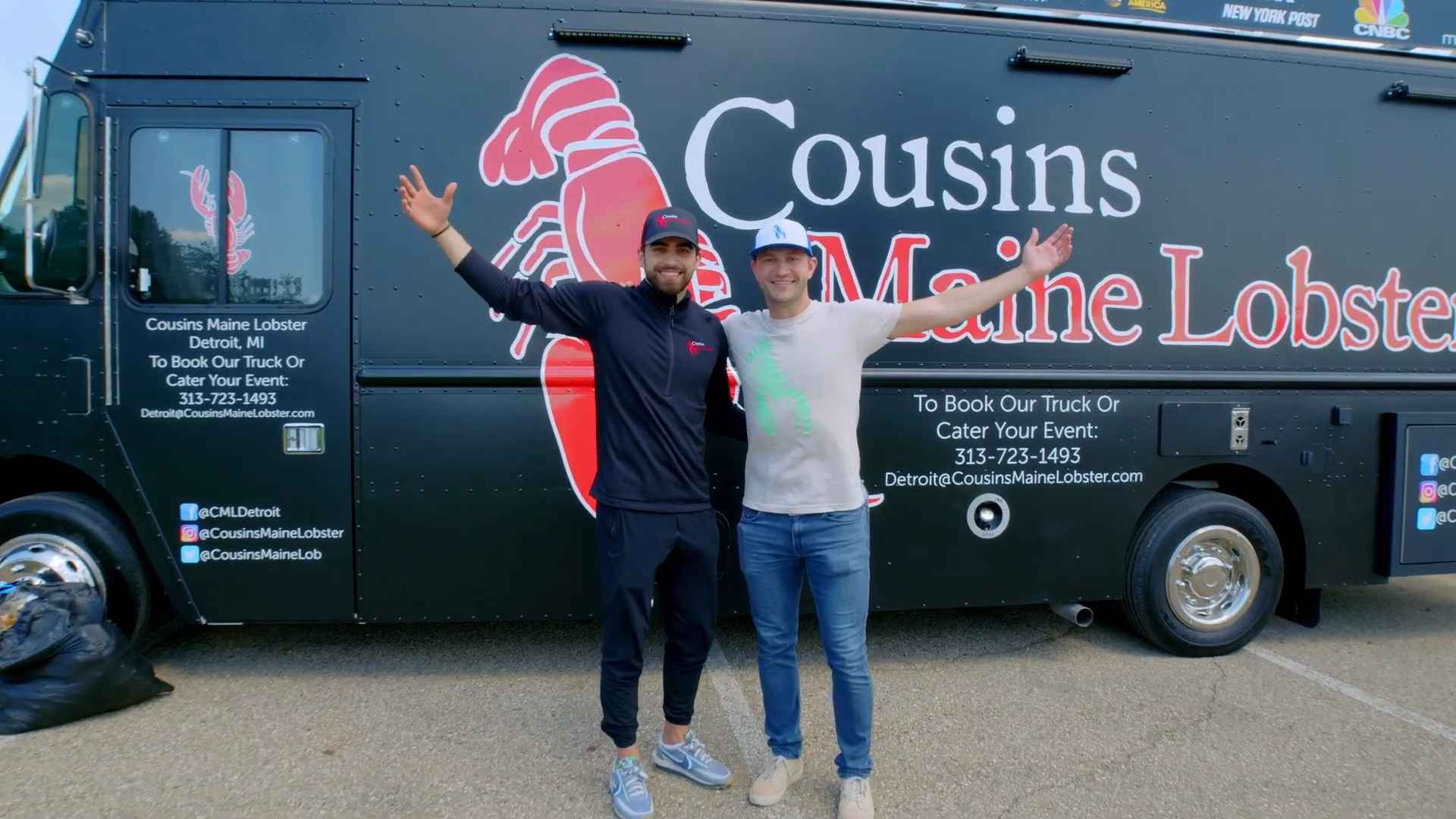
Jim Tselikis and Sabin Lomac entered the Tank with a lobster-focused food truck concept built on speed, sourcing discipline, and brand story.
Pitch requested 55,000 dollars for 5 percent equity.
Barbara Corcoran secured a deal at $55,000 for 15 percent after recognizing operational scalability and founder drive.
The business model relied on Maine-sourced lobster shipped to Southern California within 24 hours, reinforcing quality control and consistency.
- Growth starting at one truck and reaching 29
- 21 franchises supported by 10 restaurants
- One international outlet operating in Taiwan
- Total sales surpassing 50 million dollars
@ourfavoritefinds Have you seen this Shark Tank episode?! 🦈 #sharktank #sharktankproducts #testingsharktankproducts #cousinsmainelobster #ourfavoritefinds ♬ original sound – Logan Nathanson
Brand vision paired with operational guidance played a major role in sustaining growth across markets.
Other Notable Mentions
Daisy Cakes achieved national traction through homemade desserts supported by consistent branding and storytelling.
Grace and Lace grew into a recognized fashion brand after overcoming personal hardship and gaining visibility through podcast exposure.
Several investments failed along the way, yet regret plays no role in her outlook, according to her own words
Barbara Corcoran’s Investment Strategy
Founder focused thinking guides every decision and shapes how risk gets measured. Ambition and adaptability outweigh polished decks or perfect projections in her evaluation process.
Quality matters more than quantity, with attention placed on deals where personal involvement adds leverage and speed.
Gut instinct often drives action after other Sharks step aside, especially during moments of hesitation. Marketing expertise and a real estate background help accelerate scale once momentum appears.
Public comments reveal a clear math behind her approach, returns concentrate heavily at the top.
- Profit realized on roughly one third of investments
- A small number of outsized wins carry overall returns
Quoted insight captures her mindset, ambition signals direction, and confidence pulls her in long before spreadsheets do.
Summary
Barbara Corcoran demonstrates how calculated risk paired with founder first thinking drives outsized outcomes. Capital alone does not define her involvement, mentorship and marketing multiply results at critical moments.
Deal count may trail other Sharks, yet return on investment tells a stronger story. Top wins such as The Comfy, Pipcorn, and Cousins Maine Lobster reinforce a simple truth. Belief in people often produces returns that products alone cannot achieve.

Dave Mustaine is a business writer and startup analyst at Sharkalytics.com. His articles break down what happens after the cameras stop rolling, highlighting both big wins and behind-the-scenes challenges.
With a background in entrepreneurship and data analytics, Dave brings a sharp, practical lens to startup success and failure. When he’s not writing, he mentors founders and speaks at entrepreneur events.