
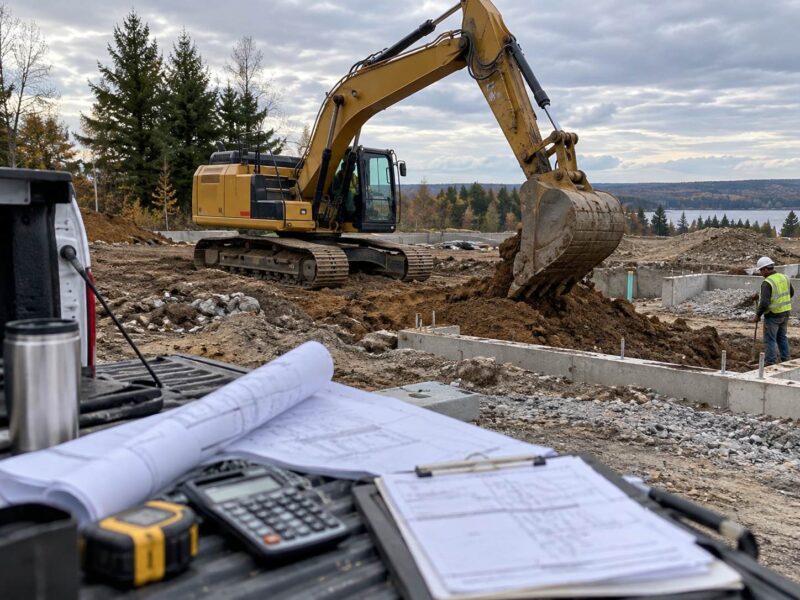
A Caterpillar excavator working 120 billable hours a month at $175 per hour brings in $21,000 in revenue. After paying the operator, fuel, maintenance and equipment ownership costs, a construction business could retain $5,000 to $8,000 in monthly operating profit under a reasonable set of assumptions.
However, an excavator sitting unused for half the month can turn the same investment into a financial burden. The purchase price might be $250,000, but a business still needs to cover financing, insurance and equipment depreciation during weeks without work.
For contractors considering a Caterpillar excavator, the important question is how many paid hours the machine can generate. A busy excavator can pay for itself over several years. One purchased before a company has enough contracts may struggle to cover its costs.
How Much Can a Caterpillar Excavator Earn Per Hour?
Excavator earnings depend on machine size, the type of excavation and local demand. A compact machine used for residential landscaping will generally command a lower rate than a 20-ton excavator working on commercial construction projects.
For a medium Caterpillar excavator, such as the Cat 320, a contractor might use $150 to $225 per hour when preparing estimates for machine hire with an operator. Those figures are illustrative business planning rates, not verified nationwide averages.
The actual amount charged depends on local competition, ground conditions, job duration and the equipment included.
Consider a contractor charging $175 per hour for excavation work. Monthly revenue changes substantially depending on the number of hours customers pay for.
| Monthly Billable Hours | Hourly Rate | Monthly Revenue | Annual Revenue |
| 60 hours | $175 | $10,500 | $126,000 |
| 100 hours | $175 | $17,500 | $210,000 |
| 120 hours | $175 | $21,000 | $252,000 |
| 160 hours | $175 | $28,000 | $336,000 |
Illustrative revenue calculations assume 12 months of work at a constant hourly rate. They do not represent guaranteed earnings or account for seasonal interruptions.
At 60 billable hours a month, the excavator generates only half the revenue it earns at 120 hours. Yet its loan payment, insurance and several other ownership expenses remain unchanged.
That explains why contractors with regular excavation contracts are in a much better position to purchase heavy machinery than businesses depending entirely on occasional jobs.
Which Caterpillar Excavator Can Generate More Revenue?
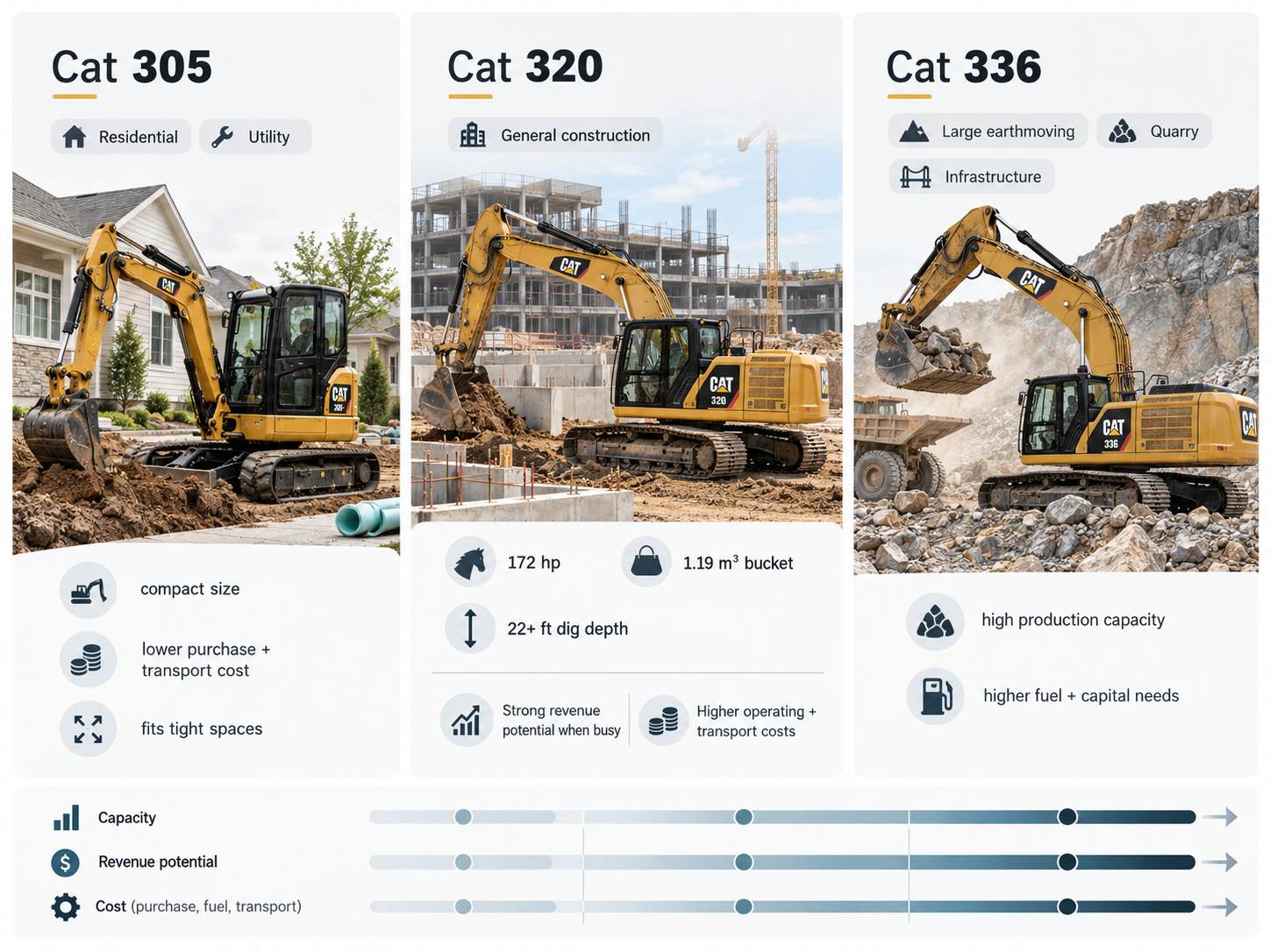
Caterpillar manufactures machines for residential digging, utility installation, road construction and large earthmoving projects. Contractors should select equipment based on the jobs they can realistically secure.
Cat 305 for Residential and Utility Work
The Cat 305 is a compact excavator suited to smaller jobs, including landscaping, drainage installation, trenching and work around residential properties.
Its compact design allows operators to work in areas where larger machines cannot fit. Contractors serving homeowners, plumbers and landscaping businesses may find enough recurring work to keep it busy.
The smaller machine generally requires less money to purchase and transport than a full-size excavator. However, it cannot complete large excavation projects at the same production rate.
Cat 320 for General Construction
The Cat 320 is a medium hydraulic excavator used for foundation excavation, roadwork, site preparation and earthmoving.
According to the official Cat 320 specifications, the machine has 172 net horsepower, a standard listed bucket capacity of 1.19 cubic meters and a maximum digging depth exceeding 22 feet.
Its size makes it suitable for contractors handling commercial construction, subdivision development and excavation projects requiring substantial digging capacity.
A Cat 320 can generate considerable revenue when the company has enough projects to keep it working. Its operating and transportation costs are also higher than those of a compact excavator.
Cat 336 for Large Earthmoving Projects
The Cat 336 serves contractors handling large excavation volumes, quarry work and major infrastructure construction.
Larger machines can move more material per digging cycle under suitable working conditions. However, they also require additional capital, fuel and transportation arrangements.
For a small contractor working mainly on residential foundations, purchasing a Cat 336 may create unnecessary expenses. A business handling major earthmoving contracts could benefit from its higher production capacity.
How Much Does a Caterpillar Excavator Cost to Buy?
Buying a Caterpillar excavator is a substantial investment, particularly for a small construction company financing its first piece of heavy machinery.
Business owners should also establish clear financial planning rules before committing to expensive equipment.
A new Cat 320 can cost hundreds of thousands of dollars depending on its configuration, attachments and location. The latest price we found places the model between $230,000 and $270,000.
Used equipment can cost considerably less. Age, operating hours, maintenance history and physical condition influence resale prices.
For example, a contractor may find a used excavator priced at $120,000, but a lower purchase price does not guarantee lower ownership costs. Worn hydraulic components, undercarriage repairs or engine problems can quickly consume the initial savings.
Buyers should also consider the expected resale value. A machine that retains a reasonable proportion of its purchase price can cost less to own over several years than one requiring extensive repairs before resale.
What Does It Cost to Operate a Cat 320?
Consider a hypothetical construction business that owns a Cat 320 and bills customers $175 per hour.
The company completes 120 billable hours each month and receives $21,000 in excavation revenue. It then pays the operator and covers fuel, maintenance, insurance and the cost of owning the machine.
The following estimate illustrates how monthly operating profit could look.
| Monthly Revenue and Expenses | Amount |
| Excavation revenue | $21,000 |
| Operator wages and employment costs | $5,400 |
| Diesel fuel | $2,160 |
| Maintenance and repair reserve | $1,500 |
| Insurance and administrative expenses | $900 |
| Equipment depreciation | $2,500 |
| Financing interest and related costs | $600 |
| Estimated Monthly Operating Profit | $7,940 |
Illustrative US business scenario, not actual Caterpillar operating data. The calculation assumes $18 in fuel expenses per billable hour and $45 in operator employment costs per billable hour. Depreciation represents an estimated ownership expense rather than a monthly cash payment. Loan principal, income taxes, substantial equipment transportation expenses and major unexpected repairs are excluded.
At these assumptions, annual operating profit would reach $95,280 if the contractor maintained the same workload throughout the year.
Real construction businesses face weather delays, canceled contracts and periods between projects. A company may also spend considerable time transporting equipment or waiting for other crews to finish their work.
These uncertainties make it important to account for hidden costs in a commercial construction budget, especially when equipment expenses are only one part of a larger project.
Caterpillar provides a total equipment ownership calculator and guidance covering financing, fuel, labor, maintenance and resale value. Contractors can use their actual expenses to establish a more accurate hourly cost.
How Many Hours Must the Excavator Work to Break Even?
Using the previous business scenario, the company earns $175 per billable hour. Direct expenses for the operator, fuel and routine maintenance total $75.50 per hour.
That leaves $99.50 per hour to cover fixed ownership expenses and generate profit.
Insurance, administrative expenses, depreciation and financing costs total $4,000 a month under the assumed budget.
Dividing $4,000 by $99.50 gives a break-even point of 40.2 hours, meaning the contractor needs at least 41 billable hours per month to cover the costs included in the model.
The actual break-even requirement will be higher if the business has additional transportation, storage or overhead expenses.
For example, adding $2,000 in monthly transport and other fixed expenses would increase the break-even requirement to 61 billable hours.
A contractor considering a purchase should therefore examine existing contracts and realistic demand before committing to a machine that may spend much of its time parked.
A basic SWOT analysis can also help contractors evaluate equipment demand, financial risks and opportunities before investing.
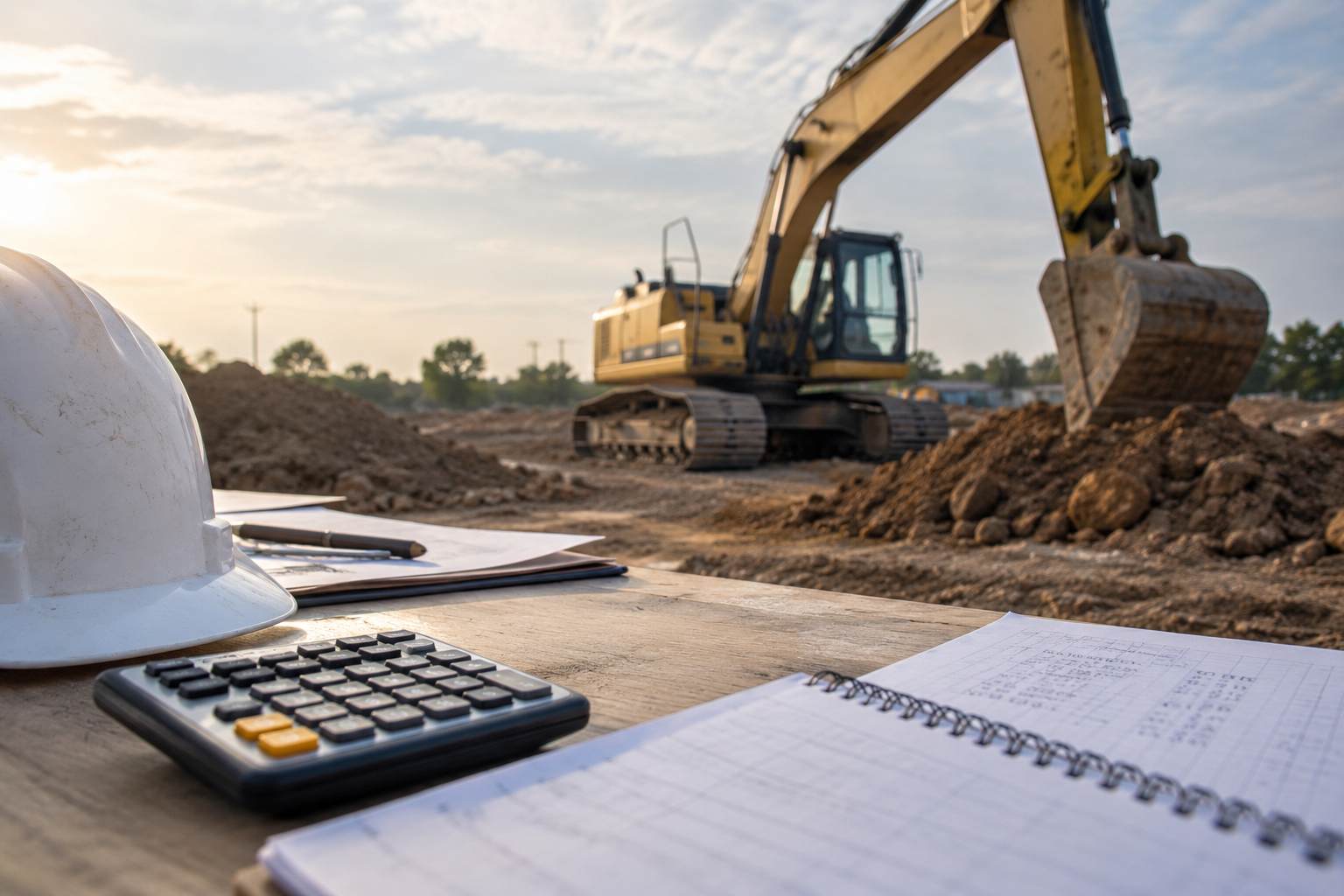
Additional Expenses Contractors Should Plan For
An excavator purchase also creates responsibilities that extend into the rest of the construction business. Transport vehicles need servicing, equipment must be moved between projects, and attachments require maintenance.
Several additional costs deserve a place in the equipment budget.
- Transportation between jobs. Moving a 20-ton excavator requires suitable hauling equipment, a qualified driver and compliance with applicable transport rules. Long journeys can reduce profit on short contracts.
- Attachments and tools. Hydraulic breakers, specialist buckets and other attachments expand the jobs a contractor can accept, but they increase equipment costs.
- Vehicle and spare parts procurement. Businesses operating support trucks and other construction vehicles may use a provider of vehicles and genuine parts supply to source vehicles and genuine components.
- Equipment storage. Contractors need secure parking and suitable arrangements for protecting valuable machinery when it is not working.
- Insurance coverage. Equipment insurance, liability protection and transport coverage can create recurring expenses that should be included in estimates.
- Unexpected downtime. A serious mechanical failure can interrupt scheduled work and reduce the number of hours available for billing.
Contractors should establish which transportation and support services customers will pay for separately. Including every expense in a single hourly rate can leave little room for profit when projects involve frequent equipment moves.
How Contractors Can Increase Excavator Profit?
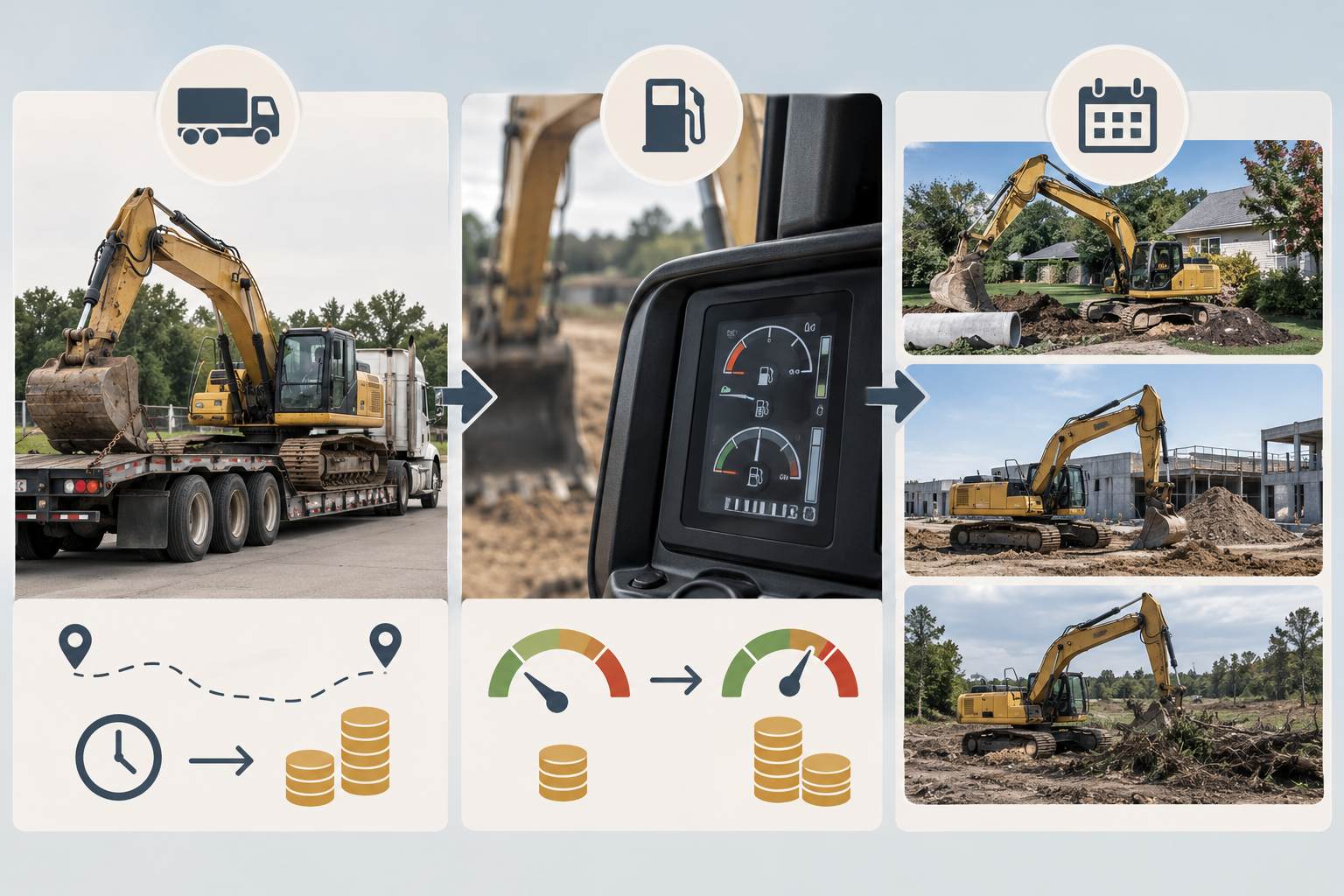
Charge for Equipment Mobilization
Transporting an excavator can consume several hours before excavation begins. If a contractor completes a four-hour job but spends another three hours moving equipment, charging only for digging time may leave the project unprofitable.
A separate mobilization fee helps recover transportation costs. Minimum job charges also protect the business when customers request very short assignments.
Reduce Unnecessary Engine Idling
Diesel consumption can become a substantial expense for an excavator working throughout the month.
Long periods of idling use fuel without producing billable work. Caterpillar’s fuel efficiency guidance explains how idle time increases operating costs and how reducing unnecessary engine running can save money.
Contractors should record fuel use alongside actual working hours. Equipment monitoring systems can help identify machinery that runs for long periods without performing productive work.
Keep the Machine Working Between Major Contracts
A contractor may purchase an excavator for commercial construction but experience gaps between large projects.
Smaller jobs involving drainage, land clearing or foundation preparation can provide revenue during those periods, provided the excavator is suitable for the work.
This approach supports businesses looking to scale without hiring more employees by generating additional revenue from equipment they already own.
Renting the machine to other contractors may also generate income. However, the owner must account for equipment damage, insurance conditions, transportation and the possibility that the machine will be unavailable when the main business needs it.
Is Buying a Caterpillar Excavator Better Than Renting?
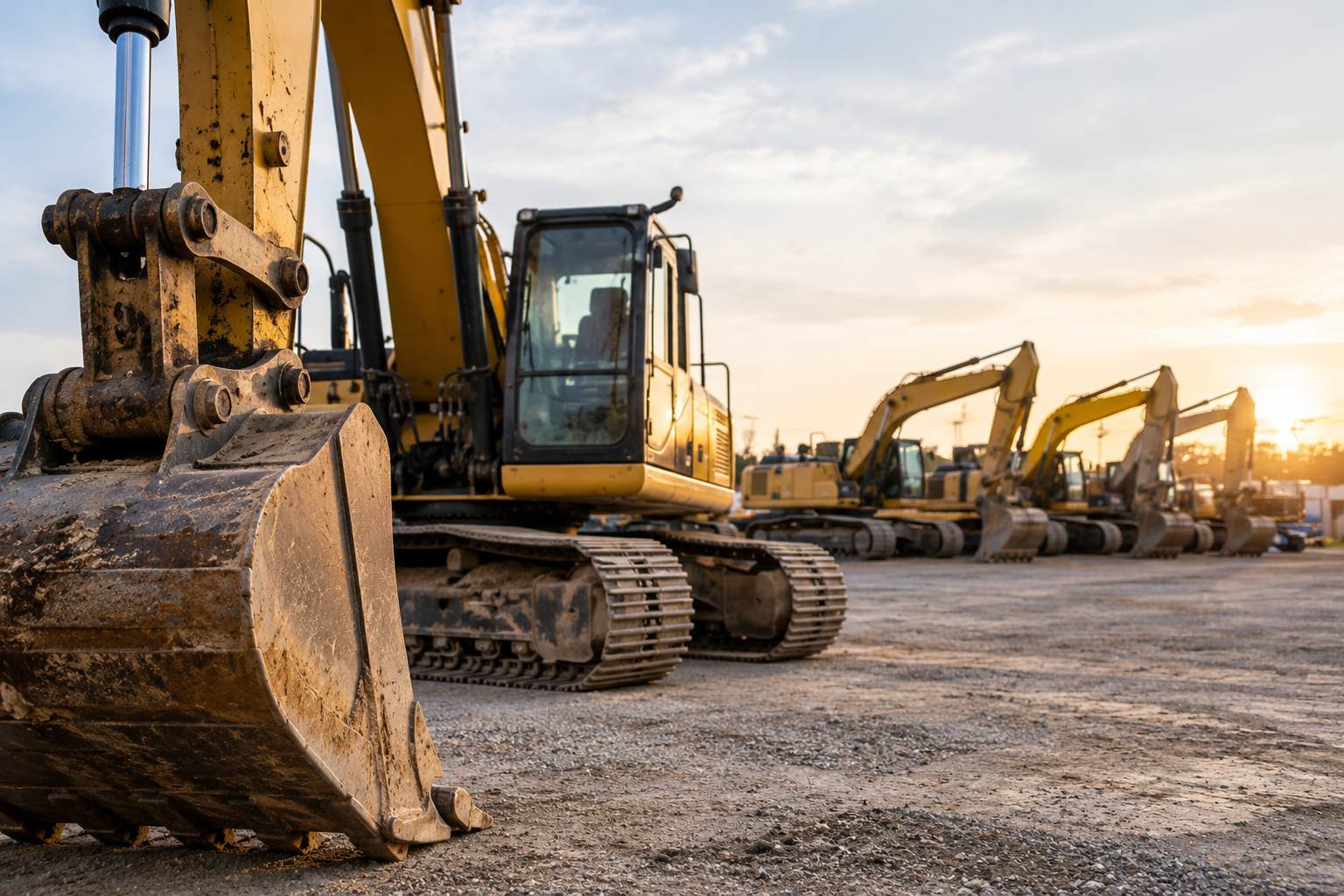
For construction businesses using an excavator only a few days each month, renting avoids substantial purchase and financing commitments.
Rental equipment can also give contractors access to the machine size required for each project. A company can rent a compact excavator for residential work and a larger machine when an industrial project requires greater digging capacity.
Ownership becomes more attractive when contractors have a steady workload and can spread the purchase cost across many billable hours.
Consider a company that expects to use an excavator for 800 hours during the coming year. Buying a $250,000 machine may create unnecessary financial pressure if its work is uncertain and suitable rental equipment remains available.
A contractor expecting 1,800 productive hours annually has a stronger reason to examine ownership. A consistent workload gives the business more opportunities to recover the purchase cost and build equity in the equipment.
The decision should use actual rental quotations, financing terms, maintenance estimates and expected resale value. Hourly utilization alone cannot identify the cheaper arrangement.
How Long Does It Take for a Caterpillar Excavator to Pay for Itself?
Suppose a contractor buys a Cat 320 for $250,000 and generates $95,280 in annual operating profit under the earlier scenario.
Dividing the purchase price by annual operating profit produces a simple figure of 2.62 years. However, that calculation is not a valid financing payback estimate because the operating profit already includes depreciation and financing interest.
For a cash purchase, the owner would instead examine the cash generated after operating expenses, taxes, equipment replacement spending and other cash obligations. For a financed purchase, principal repayments must also be considered.
Resale value influences the eventual investment return. A contractor who sells the excavator after several years may recover part of the original purchase price, depending on the machine’s condition and market demand.
Under the example budget, a Cat 320 can operate profitably at 120 monthly billable hours. The business still needs to secure enough work, maintain the equipment and collect customer payments on time.
For contractors deciding on their first Caterpillar excavator, confirmed work is the most reliable starting point. A machine earning $21,000 per month can be a valuable business asset, but the purchase becomes much harder to justify when there are not enough customers to keep it running.

Viola Moorhouse is the coauthor and research lead at Sharkalytics.com, specializing in startup performance tracking and investor strategy.
With a background in market research and business journalism, Viola focuses on separating the hype from the reality in the world of televised entrepreneurship. She’s passionate about making complex startup stories accessible to a wide audience.